Imagine waking up to the rich aroma of freshly ground coffee, followed by the silky-smooth texture of perfectly frothed milk, all crafted in your own kitchen with minimal effort. This isn’t just a dream; it’s the daily reality for owners of a high-quality Bean To Cup Coffee Machine With Milk Frother. These innovative appliances are transforming home coffee experiences, bringing café-level quality directly to your countertop. Say goodbye to stale pre-ground coffee and cumbersome separate frothers – these machines are the all-in-one solution for coffee enthusiasts seeking freshness, convenience, and unparalleled customization.
What is a Bean to Cup Coffee Machine with Milk Frother?
At its core, a bean to cup coffee machine with a milk frother is an integrated system designed to take whole coffee beans and transform them into a delicious, ready-to-drink coffee, often including milk-based beverages like cappuccinos and lattes, all at the touch of a button. Unlike traditional coffee makers that require pre-ground coffee or separate components for frothing, these machines streamline the entire process. They typically feature an integrated grinder, a brewing unit, and a milk frothing system, ensuring every cup is made from beans ground just moments before brewing. This commitment to freshness delivers a depth of flavor and rich aroma that coffee pod machines simply cannot match. Choosing such a machine also supports eco-conscious habits by reducing reliance on single-use coffee pods.
The Heart of the Brew: Understanding Milk Frother Types
The magic of creating lattes and cappuccinos at home lies in the bean to cup machine’s integrated milk frother. These systems come in various designs, each offering a different level of automation and control. Understanding these types is crucial for choosing the machine that best suits your style.
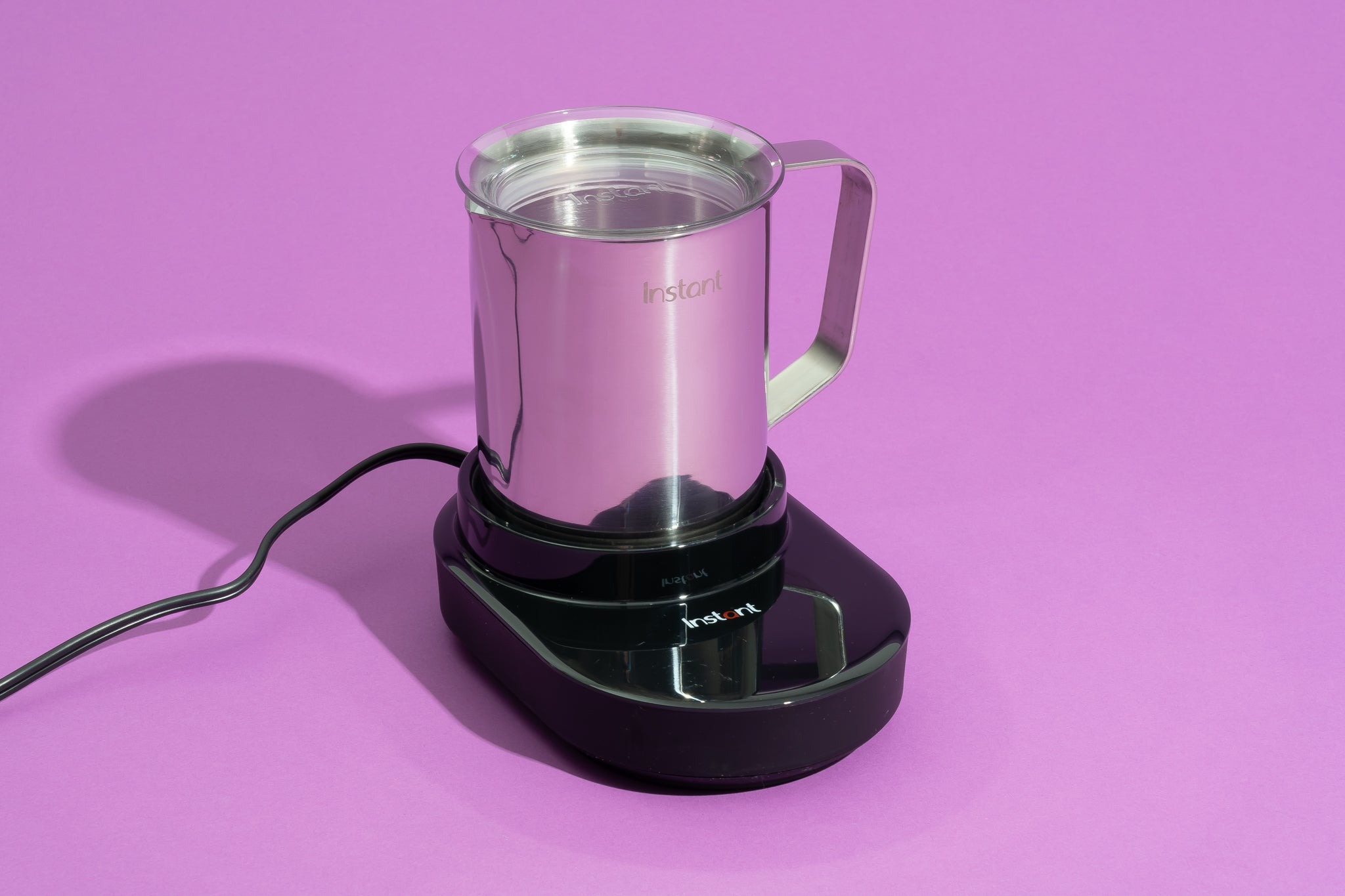
Automatic Milk Systems (Integrated Carafe, Milk Tube, or Reservoir)
For ultimate convenience, many bean to cup machines feature fully automatic milk frothing systems. These operate with a simple touch, drawing cold milk from a detachable carafe, a tube placed directly into a milk carton, or an internal reservoir. The machine then heats and froths the milk to your desired texture and dispenses it directly into your cup. Brands like De’Longhi offer advanced systems, such as their LatteCrema Hot and Cool Technology, which can even prepare velvety cold foam for iced drinks. The benefits are clear: effortless operation, consistent results, and minimal mess. It’s perfect for those busy mornings or when you’re entertaining guests and want to serve multiple milk-based beverages quickly.
Manual Steam Wands
If you fancy yourself a budding barista and love the idea of crafting intricate latte art, a machine with a manual steam wand is your go-to. This traditional frothing method gives you complete control over the milk’s texture and temperature. You’ll use a stainless steel milk pitcher, immersing the wand to “stretch” and “texture” the milk into silky microfoam. While it requires a bit more practice and skill, the reward is a truly personalized and superior foam quality, allowing for creative latte art designs. Some manual wands, known as “Pannarello” wands, are designed to make frothing easier for beginners, creating a good amount of foam even without extensive practice.
Step-by-Step: Mastering Your Bean to Cup Machine
Getting the most out of your bean to cup coffee machine with milk frother is an exciting journey. Here’s how to navigate it:
Setting Up for Success
The journey begins by ensuring your machine is ready. Fill the bean hopper with your favorite whole coffee beans – remember, freshness is key! Next, ensure the water tank is filled with filtered water, as water quality significantly impacts taste and machine longevity.
Customizing Your Brew
One of the greatest advantages of a bean to cup machine is the ability to tailor your coffee to your exact preferences.
- Grind Size: Experiment with the grinder settings. A finer grind is typically best for espresso, producing a richer extraction, while a coarser grind suits a milder brew.
- Coffee Strength & Volume: Most machines allow you to adjust the amount of coffee used per serving and the water volume, giving you control over intensity.
- Temperature: Some advanced models offer adjustable brewing temperatures, letting you fine-tune the extraction for different roasts.
Frothing Techniques for the Perfect Milk
Whether automatic or manual, mastering the milk component is crucial for delightful milky coffees.
- For Automatic Systems: It’s often as simple as selecting your desired drink from a menu. The machine does the rest, from drawing the milk to heating and frothing it. Make sure the milk carafe or tube is clean and filled with cold milk for the best results.
- For Manual Wands: This is where skill comes in. Fill a cold stainless steel pitcher about one-third full with cold milk. Immerse the steam wand just below the surface and activate the steam. You’ll first “stretch” the milk to introduce air, creating foam, then “texture” it by immersing the wand deeper to create a smooth, velvety microfoam. The pitcher should feel like a hot radiator to the touch, indicating the milk is perfectly heated without scorching. Practice is key to achieving that perfect swirl!
Making Popular Drinks
Your machine can create a variety of coffee-shop staples:
- Espresso: Often the base for many drinks, a single button press grinds, tamps, and brews a concentrated shot.
- Cappuccino: Typically equal parts espresso, steamed milk, and a thick layer of foam.
- Latte: More steamed milk than foam, providing a smoother, milkier texture than a cappuccino.
Choosing Your Perfect Machine: Key Factors to Consider
Selecting the right bean to cup coffee machine with milk frother can feel overwhelming, but focusing on these key factors will guide your decision:
- Frother Type: Do you prioritize ultimate convenience with an automatic system, or do you crave the creative control of a manual steam wand for latte art?
- Grinder Quality: Look for ceramic or conical burr grinders. They provide a consistent grind, which is vital for optimal extraction, and often offer multiple adjustable settings for different coffee types.
- Water Tank & Bean Hopper Capacity: Larger capacities mean less frequent refilling, ideal for households with multiple coffee drinkers or frequent use.
- User Interface: Consider touchscreen displays for ease of use and advanced programmability, or simple buttons for a straightforward experience. Many offer customizable settings to save your favorite drink profiles.
- Size and Design: Measure your counter space. These machines vary significantly in footprint and aesthetic.
- Ease of Cleaning & Maintenance: A well-maintained machine lasts longer and produces better-tasting coffee. Look for easily removable brewing units and automatic cleaning cycles for milk systems.
- Budget: Prices range widely. Determine what features are essential for you and find the best value within your budget.
- Brand Reputation & Reviews: Trusted brands like De’Longhi, Sage, Philips, and Smeg consistently appear in top reviews for reliability and performance.
Keeping Your Machine Pristine: Maintenance and Cleaning
Regular maintenance is not just about hygiene; it’s about preserving the taste of your coffee and extending the life of your bean to cup coffee machine with milk frother.
- Daily Tasks:
- Rinse Milk System: If using an automatic milk system, run the quick clean cycle daily or disassemble and rinse components to prevent milk residue buildup. For manual wands, wipe down the nozzle immediately after use.
- Empty Drip Tray & Grounds Container: These should be emptied and rinsed daily to prevent mold and odors.
- Weekly/Regular:
- Clean Brewing Unit: If your machine has a removable brewing unit, take it out and rinse it under warm water.
- Wipe Exterior: Keep the exterior clean with a damp cloth.
- Monthly/Bi-monthly:
- Descaling: This is crucial, especially in areas with hard water, to prevent limescale buildup that can affect performance and taste. Your machine will likely have an indicator and a specific descaling program.
- Deep Clean Milk Components: Periodically soak and thoroughly clean all parts of the milk frothing system with a specialized cleaner.
Top Tips for Elevating Your Home Barista Experience
To truly unlock the potential of your bean to cup coffee machine with milk frother, consider these expert tips:
- Use Fresh, Quality Beans: This is perhaps the most important factor. High-quality, freshly roasted beans make all the difference.
- Experiment with Settings: Don’t be afraid to tweak grind size, coffee strength, and milk frothing levels. Your perfect cup is a journey of discovery.
- Try Different Milk Types: Many modern machines, like the Sage Barista Touch Impress, are designed to perfectly heat and froth various milks, including dairy, oat, soya, and almond, adapting to their unique properties.
- Practice Latte Art: If you have a manual steam wand, join online communities or watch tutorials. It’s a rewarding skill!
- Listen to Your Machine: Pay attention to unusual noises or performance changes; they often signal a need for cleaning or maintenance.
Expert Insight: “The Secret to Superior Lattes”
“Achieving a truly superior latte at home with a bean to cup machine isn’t just about the beans or the machine’s power,” shares Elena Rodriguez, a seasoned barista and coffee expert. “It’s about understanding the subtle dance between temperature, air, and milk fat. With automatic systems, ensure your milk is always cold to start, which allows the machine more time to incorporate air evenly. For manual wands, the ‘stretching’ phase—where you introduce air—is critical. Don’t overdo it! Aim for a sound like tearing paper, then submerge the wand to integrate that air into a velvety microfoam. That’s the secret to a professional-tasting milky coffee.”
Frequently Asked Questions
What is the main advantage of a bean to cup machine?
The primary advantage is the exceptional freshness and convenience of having café-quality coffee and milk-based drinks made from freshly ground beans at the touch of a button.
How often should I clean the milk frother?
For optimal hygiene and taste, the milk frothing components should be rinsed or run through a quick clean cycle daily after each use. A deeper clean with specialized cleaner is recommended weekly or bi-weekly.
Can I use pre-ground coffee in a bean to cup machine?
While the main benefit is fresh grinding, many bean to cup machines include a bypass doser for pre-ground coffee, which can be handy if you run out of whole beans or want a decaf option.
What’s the difference between automatic and manual milk frothing?
Automatic frothing systems handle the heating and frothing for you with minimal interaction, offering convenience and consistency. Manual steam wands provide greater control over milk texture, ideal for those who want to practice latte art.
How do I descale my machine?
Most bean to cup machines have an internal program that guides you through the descaling process. You typically fill the water tank with a descaling solution and follow the on-screen instructions. This should be done every 1-3 months, depending on your water hardness.
Elevate Your Coffee Ritual
Investing in a bean to cup coffee machine with milk frother is more than just buying an appliance; it’s an investment in your daily ritual, offering the luxury of fresh, customized, café-quality coffee in the comfort of your home. From the robust crema of a perfectly pulled espresso to the artful foam of a homemade latte, these machines empower you to be your own barista. Embrace the journey of discovery, experiment with different beans and settings, and savor every sip. Your perfect cup awaits.