Ever dreamt of crafting barista-level lattes and cappuccinos from the comfort of your kitchen? Well, that dream is closer than you think! The right Best Coffee Machine With Milk Frother can utterly transform your morning routine, elevating a simple cup into a luxurious, creamy masterpiece. No more trips to the local café when you can whip up velvety microfoam or fluffy froth right at home. In this comprehensive guide, we’re diving deep into the world of coffee machines with integrated milk frothers, helping you understand the technology, explore your options, and pick the perfect partner for your coffee journey. Get ready to unlock a world of delicious milk-based coffee drinks!
What is a Coffee Machine with a Milk Frother and Why Do You Need One?
At its core, a coffee machine with a milk frother is an appliance that not only brews your coffee, be it espresso or drip, but also steams or froths milk to create delightful textures for various beverages. Think about it: a rich espresso is only half the story for a true latte or cappuccino. The milk element, frothed to perfection, adds sweetness, body, and that unmistakable café feel.
Why should you consider one? For starters, convenience is key. No juggling separate appliances or heating milk on the stovetop. Everything is integrated, streamlining your coffee-making process. Beyond convenience, these machines empower you to experiment with a vast array of coffee shop favorites—from robust cappuccinos with a thick cap of foam to elegant flat whites with smooth, silky microfoam, or even chilled iced lattes with cold foam. Plus, in the long run, making your gourmet coffee at home can lead to significant savings compared to daily café visits. It’s an investment that pays for itself in delicious dividends and pure coffee joy.
Types of Coffee Machines with Integrated Milk Frothers
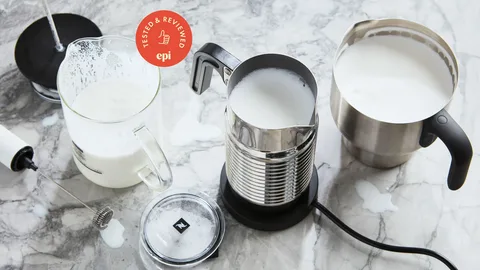
The market offers a diverse range of coffee machines equipped with milk frothers, each catering to different preferences and skill levels. Let’s explore the most popular types.
Espresso Machines with Steam Wands (Semi-Automatic)
These machines are often the go-to for aspiring home baristas. They feature a traditional steam wand, much like those found in professional cafés, giving you hands-on control over the milk frothing process.
What they are: Semi-automatic espresso machines require you to grind your coffee, tamp it into a portafilter, and manually control the espresso extraction. The integrated steam wand then allows you to steam and texture your milk by hand.
Pros: Unparalleled control over milk texture, allowing you to create anything from dense foam for cappuccinos to delicate microfoam for latte art. They offer an authentic barista experience and often produce high-quality espresso.
Cons: There’s a definite learning curve to mastering both espresso extraction and milk frothing. Many semi-automatic machines don’t have built-in grinders, meaning you’ll need to purchase one separately. They can also take up a fair amount of counter space.
Examples: The Sage Barista Pro and Breville Barista Express are excellent choices that combine a grinder and a steam wand, making them a popular entry point for serious enthusiasts.
Super-Automatic Espresso Machines with Automatic Frothers
For those who prioritize convenience and consistency, super-automatic machines are a dream come true.
What they are: These bean-to-cup machines handle almost everything from grinding the beans to brewing the espresso and frothing the milk, all at the touch of a button. Their milk systems can range from an automatic pannarello wand (which simplifies frothing but offers less control) to a fully integrated carafe system that dispenses frothed milk directly into your cup.
Pros: Incredible ease of use and consistent results with minimal effort. They often come with integrated grinders and pre-programmed drink options, making them perfect for busy mornings.
Cons: While convenient, automatic frothers typically offer less control over milk texture compared to manual steam wands. They can be more expensive and sometimes require more involved cleaning of the milk system.
Examples: Models like the De’Longhi Magnifica Evo, Jura J10, and Smeg BCC13 are highly regarded for their one-touch capabilities and quality output.
All-in-One Coffee Makers (Drip + Espresso + Frother)
If you love both a classic drip coffee and a specialty espresso drink, an all-in-one machine might be your ideal solution.
What they are: These versatile machines combine the functionalities of a drip coffee maker, an espresso machine, and a milk frother into a single unit.
Pros: Space-saving and incredibly versatile, allowing you to cater to different coffee preferences in one household. Many can even brew drip coffee and espresso simultaneously.
Cons: Sometimes, combining multiple functions can mean a slight compromise on the quality of one aspect compared to a dedicated machine. They can also have a larger overall footprint despite being “all-in-one.”
Examples: The Ninja Luxe Café and the De’Longhi All-in-One Combination Coffee Maker are popular choices that offer a wide range of brewing options and integrated frothing.
Pod Coffee Machines with Frothers
For ultimate speed and simplicity, pod machines are unbeatable, and many now come with frothing capabilities.
What they are: These machines use pre-packaged coffee pods or capsules to brew coffee. The milk frother might be a separate, included appliance (like Nespresso’s Aeroccino) or a simple steam wand.
Pros: Unmatched convenience and speed. Minimal mess and cleanup. Great for those who value consistency and a quick caffeine fix.
Cons: Limited coffee selection (tied to pod availability), higher cost per cup, and environmental concerns with single-use pods. The frothers often rely on agitation rather than steam, which might not produce true microfoam.
Examples: The Nespresso Vertuo combined with an Aeroccino frother is a popular pairing, offering quick, frothed drinks. The Breville One Touch also provides a convenient pod-based solution with a frother.
Choosing the Best Coffee Machine with a Milk Frother: What to Consider
Selecting the perfect coffee machine with a milk frother involves weighing several factors to match your lifestyle and coffee aspirations.
- Frother Type: Do you crave the creative control of a manual steam wand to practice latte art, or do you prefer the set-it-and-forget-it ease of an automatic frother? Manual wands are ideal for microfoam, while automatic systems excel in convenience. Some automatic systems, like those on super-automatic machines, can produce high-quality microfoam.
- Grinder Integration: Many high-end espresso machines come with a built-in grinder, offering freshly ground beans for every shot. If a machine lacks this, you’ll need to factor in the cost and counter space for a separate grinder.
- Boiler System: Espresso machines often use either a single or dual boiler. Single boiler machines typically require a wait time between brewing espresso and steaming milk, while dual boiler systems allow you to do both simultaneously, which is a game-changer if you’re making multiple milk drinks.
- Ease of Use and Cleaning: Consider how user-friendly the machine is and how easy it is to clean, especially the milk system. Automatic milk systems need regular rinsing to prevent blockages.
- Drink Variety: Think about the types of drinks you most enjoy. Do you stick to lattes, or do you want the flexibility to make espresso, drip coffee, and cold brew?
- Budget: Coffee machines with milk frothers range significantly in price, from a few hundred dollars to several thousands. Determine your budget before you start shopping.
- Counter Space: These machines can be substantial. Measure your available kitchen counter space to ensure a comfortable fit.
- Milk Compatibility: If you prefer non-dairy milks, check reviews to see how well the frother performs with alternatives like oat, almond, or soy milk, as some frothers work best with dairy. Barista-style alternative milks are often formulated to froth better.
Top Picks for “Best Coffee Machine with Milk Frother”
Based on expert reviews and user feedback, here are some standout options across different categories:
- For the Aspiring Barista (Semi-Automatic):
- Sage Barista Pro / Breville Barista Express: These machines offer integrated grinders and powerful steam wands, allowing for hands-on control over espresso and milk texturing. They are praised for their ease of use and quality output, perfect for those wanting to hone their skills.
- For Ultimate Convenience (Super-Automatic):
- De’Longhi Magnifica Evo / Jura J10: If one-touch operation is your priority, these super-automatic machines deliver. They grind beans, brew espresso, and froth milk automatically, making café-quality drinks effortless. The Jura J10 is also noted for its excellent cold brew function.
- For Versatility (All-in-One):
- Ninja Luxe Café / De’Longhi All-in-One Combination Coffee Maker: These powerhouses offer the flexibility to brew drip coffee, espresso, and even cold brew, all while including an automatic milk frothing system. They are ideal for households with varied coffee preferences.
- For Pod Lovers (Pod System with Frother):
- Nespresso Vertuo with Aeroccino: For those who value speed and simplicity, a Nespresso Vertuo machine paired with an Aeroccino frother provides quick, consistent coffee and frothed milk for lattes and cappuccinos.
Mastering the Art of Milk Frothing with Your New Machine
Acquiring the best coffee machine with milk frother is just the first step; mastering the art of frothing is where the real fun begins!
If you have a manual steam wand, remember the key is to “stretch” the milk by incorporating air at the surface for a few seconds, then “texture” it by submerging the wand to create a swirling vortex. Aim for a temperature around 140-150°F (60-65°C) for optimal sweetness and texture. As barista Alex Chen always says, “Great coffee is about precision, but great milk is about passion and practice! Don’t be afraid to experiment with different milks and techniques.” For automatic frothers, ensure you use cold milk and fill to the recommended levels. Most systems handle the heating and frothing, but the type of milk (dairy vs. non-dairy) can still influence the final texture.
Maintenance and Cleaning Tips for Longevity
To ensure your best coffee machine with milk frother continues to produce delicious drinks for years, proper maintenance is crucial.
- Rinse Immediately: After each use of a steam wand or automatic milk carafe, rinse it thoroughly with water. Milk residue can quickly dry and become difficult to remove, potentially blocking nozzles or affecting flavor.
- Deep Clean Milk Systems: For automatic frothing systems, follow the manufacturer’s instructions for regular deep cleaning, often involving special cleaning solutions to remove milk fats and proteins.
- Descaling: Hard water can lead to mineral buildup. Descale your machine regularly according to the manufacturer’s guidelines, typically every few months, to prevent blockages and maintain optimal performance.
- Wipe Down: Keep the exterior of your machine clean with a damp cloth to prevent spills from drying and staining.
Frequently Asked Questions (FAQ)
What types of milk can I froth with a coffee machine frother?
Most frothers can handle dairy milk (whole, 2%, skim) as well as many plant-based alternatives like oat, almond, soy, and coconut milk. For best results with non-dairy options, look for “barista blend” versions specifically designed for frothing.
Is an automatic frother as good as a manual one for making lattes?
For convenience and consistency, automatic frothers are excellent. However, a skilled hand using a manual steam wand often achieves a finer microfoam, which is essential for detailed latte art. Some advanced super-automatic machines, however, come very close to manual quality.
How often should I clean my milk frother?
Any part of the frother that comes into contact with milk should be rinsed immediately after each use. A more thorough cleaning, especially for automatic milk systems, should be performed daily or weekly, following your machine’s specific instructions. Descaling should be done every 1-3 months, depending on water hardness and usage.
Can I make cold foam with these machines?
Many modern milk frothers, especially standalone electric frothers or integrated systems on advanced machines, offer a cold foam setting. This is perfect for iced coffees and cold brew lattes.
What’s the difference between a latte and a cappuccino frother?
While both involve frothed milk, a cappuccino traditionally features a thicker, more voluminous foam with larger bubbles, while a latte typically uses smoother, denser microfoam that integrates more seamlessly with the espresso. Most good frothers can achieve both textures with proper technique or settings.
Conclusion
Choosing the best coffee machine with milk frother is a personal journey, but one that promises to revolutionize your home coffee experience. Whether you’re an aspiring barista eager for hands-on control or someone who simply desires a one-touch café-quality drink before rushing out the door, there’s a perfect machine waiting for you. By understanding the different types, considering key features, and practicing a little bit of frothing magic, you’ll be well on your way to enjoying delicious, perfectly frothed coffee beverages every single day. So go ahead, find your ideal match, and let the aroma of freshly brewed coffee and expertly frothed milk fill your home!