Hey there, fellow coffee lovers and plant-based aficionados! Ever dreamed of that perfect, creamy almond milk latte or cappuccino right in your own kitchen? You’re not alone. Many of us have been there, gazing longingly at our mugs, only to be met with a sad, bubbly, and quickly deflating foam when trying to froth almond milk. It’s a common conundrum, but thankfully, with the right tools and a few insider tips, achieving that café-quality microfoam is absolutely within reach. Forget settling for lackluster lattes; this comprehensive guide will walk you through everything you need to know to find the Best Frother For Almond Milk and transform your home coffee game.
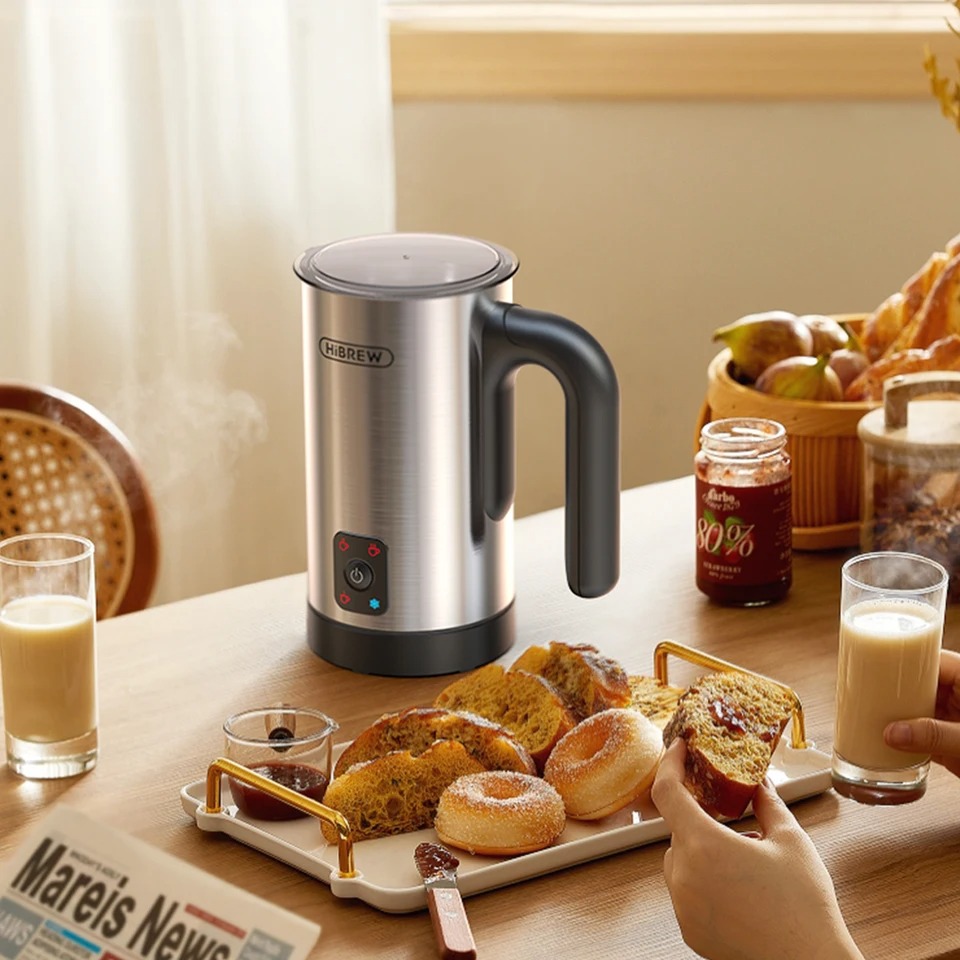
Almond milk, while delicious and a fantastic dairy alternative, presents unique challenges when it comes to frothing. Unlike cow’s milk, which is rich in fats and proteins that create stable foam, almond milk often has a lower protein content and different fat structure. This can result in a thinner, less stable froth that dissipates quickly. But don’t despair! Manufacturers have heard our pleas, and many fantastic frothers are now specifically designed or excel at handling plant-based milks, including your beloved almond milk. Let’s dive in and unlock the secrets to perfect almond milk foam.
What Makes Almond Milk Tricky to Froth, Anyway?
It’s not just you; frothing almond milk truly is a different beast! The primary reason lies in its composition. Traditional dairy milk contains casein and whey proteins, along with milk fats, which form a robust structure that traps air, creating stable, velvety microfoam. Almond milk, on the otherseits, typically has much lower protein and fat levels, and the proteins it does contain behave differently under heat and aeration. This makes it harder to create and sustain that dense, silky texture we all crave.
However, the good news is that many brands now offer “barista blend” almond milks. These are specifically formulated with added proteins or stabilizers (like gellan gum) to mimic the frothing properties of dairy milk. If you’re serious about your home barista skills, opting for a high-quality barista blend almond milk is your first secret weapon.
Types of Frothers: Which Reigns Supreme for Almond Milk?
Choosing the best frother for almond milk largely depends on your budget, desired convenience, and how often you plan to use it. Each type offers a different experience and varying results.
Automatic Electric Milk Frothers
These are often the most popular choice for home users, and for good reason. They are incredibly convenient, offering one-touch operation to heat and froth your milk simultaneously. Many come with different whisk attachments for varying froth consistencies (light foam, dense foam, no heat).
- Pros for Almond Milk:
- Ease of use: Just pour in the almond milk, press a button, and wait.
- Consistent results: They often heat to an optimal temperature, which is crucial for almond milk.
- Hands-free: You can focus on brewing your espresso while the frother works its magic.
- Cons for Almond Milk:
- Can be more expensive than manual options.
- Some models might struggle with almond milk if they don’t have adequate whisking power or specific non-dairy settings.
- Cleaning can vary – some have non-stick interiors, others require more careful scrubbing.
Handheld Wand Frothers
Compact, affordable, and battery-operated, handheld frothers are perfect for quick single servings. They resemble a small whisk on a stick.
- Pros for Almond Milk:
- Portability: Great for travel or small kitchens.
- Affordability: Very budget-friendly.
- Quick foam: Can whip up a decent amount of foam in seconds.
- Cons for Almond Milk:
- Requires manual heating: You’ll need to heat your almond milk separately on the stove or in the microwave.
- Less consistent: Achieving fine microfoam requires a bit of technique and practice.
- Can create larger, less stable bubbles if not used correctly.
Manual Pump Frothers
These simple devices typically consist of a carafe with a plunger that has a fine mesh screen. You manually pump the plunger up and down to aerate the milk.
- Pros for Almond Milk:
- No electricity needed: Eco-friendly and great for camping or off-grid living.
- Affordable and durable.
- Gives you control over the frothing process.
- Cons for Almond Milk:
- More effort required: It’s a workout for your arm!
- Requires separate heating of milk.
- Can be harder to achieve consistently fine microfoam compared to automatic options.
Espresso Machine Steam Wands
If you own an espresso machine, its steam wand is often the gold standard for frothing any milk, including almond milk. It provides intense heat and steam pressure, allowing for precise control and the creation of beautiful, silky microfoam.
- Pros for Almond Milk:
- Superior microfoam: Capable of producing the finest, densest, and most stable foam.
- Integrated with your espresso ritual.
- Very fast.
- Cons for Almond Milk:
- Requires an espresso machine.
- Steep learning curve: Mastering a steam wand takes practice and skill.
- Cleaning after each use is essential to prevent milk buildup.
Our Top Picks: The Best Frothers for Almond Milk
Choosing the right frother for your almond milk journey can feel overwhelming with so many options out there. This is the section where, on MilkFrotherPro, we would typically dive deep into specific product recommendations. We’d highlight models that consistently receive rave reviews for their performance with plant-based milks, detailing their features, pros, and cons. For instance, an automatic electric frother with induction heating might be praised for its even heating and consistent foam, while a powerful handheld frother could be lauded for its speed and portability. We’d look for those models that specifically mention “non-dairy milk” settings or are known among the barista community for their excellent almond milk results.
Mastering the Art: Frothing Almond Milk Like a Pro
Having the best frother for almond milk is only half the battle; technique plays a huge role in achieving that perfect foam.
Choosing the Right Almond Milk
- Go for Barista Blends: Seriously, this is key. Brands like Califia Farms Barista Blend, Oatly Barista Edition (while not almond, it’s a great reference for barista blends), or Pacific Foods Barista Series Almond are excellent choices. They are formulated to mimic dairy milk’s frothing properties.
- Check Ingredients: Look for fewer ingredients. Some additives can hinder frothing.
- Keep it Cold: Start with very cold almond milk. This gives you more time to introduce air and develop structure before it gets too hot.
Optimal Temperature
The sweet spot for frothing almond milk is typically between 140°F and 150°F (60°C to 65°C). Going much hotter can “cook” the almond milk, causing it to lose its frothing capabilities and sometimes imparting an off-flavor. An automatic frother will often hit this temperature perfectly. If you’re using a handheld or manual frother, use a thermometer to guide you.
Technique for Different Frother Types
- Automatic Frothers: Follow the manufacturer’s instructions. If there’s a specific non-dairy setting, use it. Don’t overfill past the max line.
- Handheld Wands: Heat your almond milk first. Submerge the whisk just below the surface and turn it on. Move it slightly up and down, keeping it near the surface to incorporate air. As the volume increases, move the whisk lower to integrate the foam.
- Manual Pump Frothers: Heat your almond milk. Pump vigorously for 30-60 seconds until the volume doubles and it feels thick.
- Steam Wands: This requires a bit of finesse. Purge the wand first. Submerge the tip just below the surface at an angle to create a “whirlpool.” Listen for a gentle “tearing paper” sound, which indicates air is being incorporated. Once the milk volume increases, lower the wand deeper to create a rolling motion that integrates the foam and heats the milk. Stop when the pitcher is almost too hot to touch.
Achieving Microfoam
The goal isn’t just bubbles, but microfoam – tiny, uniform bubbles that give a glossy, velvety texture. After frothing, gently tap your pitcher on the counter to pop any large surface bubbles, then swirl the milk to integrate the foam. This ensures a smooth pour.
Key Features to Look For in an Almond Milk Frother
When you’re on the hunt for the best frother for almond milk, keep these features in mind:
- Heating Capabilities: Does it heat the milk, or just froth? For almond milk, having an integrated heater is a big plus for convenience and consistent results.
- Froth Settings: Look for options like “light foam,” “dense foam,” or even specific “cold froth” settings, which can be great for iced beverages.
- Easy Cleaning: Non-stick interiors, removable parts that are dishwasher safe, or easy-to-wipe surfaces are crucial. Nobody wants to scrub sticky milk residue.
- Capacity: How many servings do you need? A single-serve frother is fine for one, but if you’re making drinks for a family, a larger capacity is essential.
- Durability and Build Quality: Look for stainless steel components and sturdy construction that will last.
- Quiet Operation: Some frothers can be quite noisy. If you’re an early riser, a quieter model will be appreciated by others in the house.
Maintenance and Cleaning: Keeping Your Frother Pristine
A clean frother is a happy frother, and a hygienic one! Proper maintenance extends the life of your appliance and ensures every frothing experience is pleasant.
- Rinse Immediately: This is the golden rule. As soon as you’ve poured your frothed almond milk, rinse the frothing jug or whisk thoroughly with warm water. This prevents milk residue from drying and sticking, which becomes much harder to remove.
- Use Mild Soap: For a deeper clean, use a soft sponge and a drop of mild dish soap. Avoid abrasive scrubbers that can damage non-stick coatings.
- Check for Dishwasher Safe Parts: Some frother components (like whisks or detachable jugs) are dishwasher safe. Always check your user manual.
- Descaling (for Automatic Frothers): If your water is hard, mineral deposits can build up over time. Consult your manual for descaling instructions, usually involving a water and vinegar solution.
- Wipe Down Steam Wands: For espresso machine wands, always purge and wipe them immediately after each use to remove milk residue.
Expert Insights: Tips from a Barista
“Frothing almond milk can be a bit of an art form, but it’s totally achievable at home,” says Liam O’Connell, a seasoned barista from Seattle. “My best advice? Invest in a good quality frother known for handling plant-based milks, and always, always use a barista blend almond milk straight from the fridge. The colder the milk, the more time you have to build that perfect, velvety microfoam. Don’t rush it!”
Frequently Asked Questions (FAQ)
Q: Can I use regular almond milk for frothing?
A: While you can use regular almond milk, it’s much harder to achieve a stable, creamy foam. Regular almond milk typically has less protein and fat, leading to thinner, quicker-dissipating froth. For the best frother for almond milk results, a “barista blend” is highly recommended.
Q: What’s the ideal temperature for frothing almond milk?
A: The ideal temperature for frothing almond milk is generally between 140°F and 150°F (60°C to 65°C). Heating it much higher can break down the proteins, causing the foam to collapse and potentially affecting the taste.
Q: How long does it take to froth almond milk?
A: This varies by frother type. Handheld frothers can create foam in 15-30 seconds. Automatic electric frothers usually take 60-120 seconds to heat and froth. Steam wands can froth milk in as little as 15-45 seconds, depending on the machine and volume.
Q: Why does my almond milk froth disappear quickly?
A: Rapidly disappearing froth is usually due to insufficient protein content in the almond milk, incorrect frothing temperature (too hot or not hot enough), or poorly incorporated air resulting in large, unstable bubbles. Using cold barista blend almond milk and proper technique will improve stability.
Q: Are expensive frothers always better for almond milk?
A: Not necessarily, but generally, higher-quality automatic frothers often offer more precise temperature control and powerful whisking mechanisms that perform better with almond milk. However, some mid-range models also do an excellent job, and a skilled hand with a good quality handheld or steam wand can outperform a basic automatic frother.
Q: Can I froth cold almond milk?
A: Yes! Many automatic frothers have a “cold froth” setting, which is perfect for iced lattes or cold foam toppings. Handheld and manual frothers can also froth cold milk, although the foam tends to be less stable than hot foam. Starting with cold almond milk is recommended even when heating, as it gives you more time to create froth.
Conclusion
Finding the best frother for almond milk doesn’t have to be a daunting task. With a deeper understanding of almond milk’s unique frothing properties and the different types of frothers available, you’re now equipped to make an informed decision. Whether you opt for the convenience of an automatic electric frother, the portability of a handheld wand, the simplicity of a manual pump, or the professional power of an espresso machine’s steam wand, the key is to pair your chosen device with a quality barista blend almond milk and a little bit of practice.
So go ahead, experiment, and get ready to elevate your home coffee experience. That perfectly frothed, velvety almond milk latte is just a few steps away. Cheers to many delicious, dairy-free sips!