Ever dreamt of crafting those velvety lattes and airy cappuccinos right in your own kitchen? That creamy, luxurious texture isn’t just for professional baristas anymore. With the Best Milk Frother And Steamer, you can transform your daily brew into a cafe-quality masterpiece, elevating your coffee ritual from mundane to magnificent. It’s about bringing that delightful coffee shop experience, complete with perfect milk foam, directly to your countertop.
What Exactly is a Milk Frother (and Steamer)?
At its core, a milk frother is a clever device designed to aerate milk, turning it into a light, creamy foam. Think of it as introducing tiny air bubbles into the milk, which expands its volume and creates that desirable texture. When we talk about the best milk frother and steamer, we’re often referring to devices that can do double duty: not only creating beautiful froth but also heating the milk to the ideal temperature. This dual functionality is what truly unlocks the potential for a wide array of delicious, milk-based beverages, from a soothing hot chocolate to a sophisticated matcha latte. It’s an indispensable tool for anyone serious about stepping up their home beverage game.
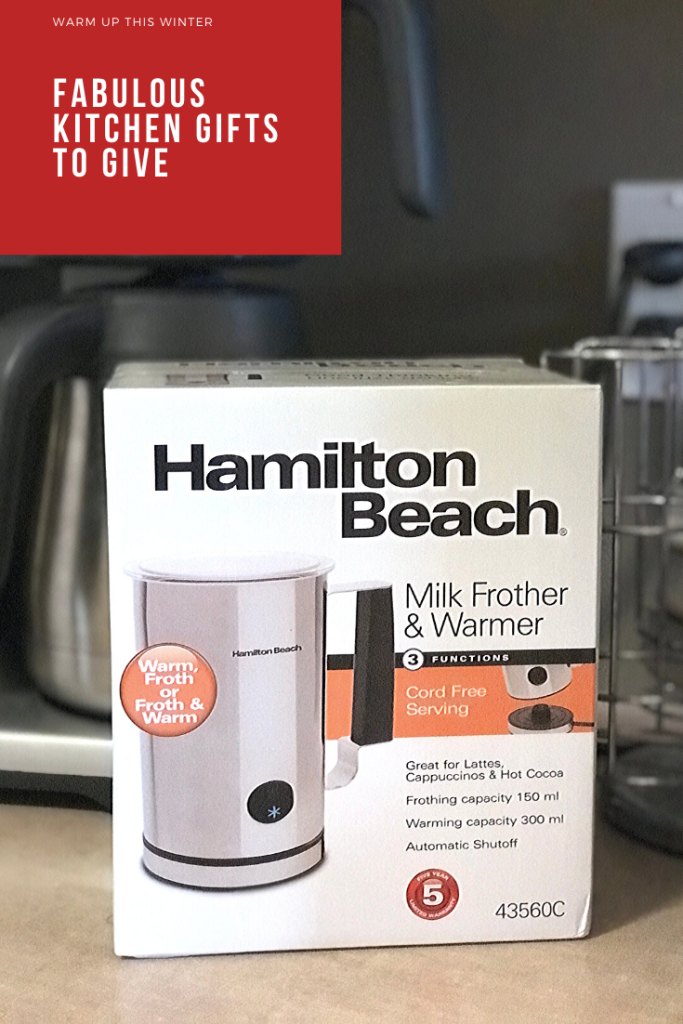
Decoding the Different Types of Milk Frothers and Steamers
The world of milk frothers and steamers offers a variety of options, each with its own charm and method. Understanding these different types is the first step to finding your perfect match.
Manual Frothers: Handheld Whisks & French Press Style
Manual frothers are the original workhorses, relying on a bit of elbow grease to get the job done.
- Handheld Electric Whisks: These battery-powered wands are compact, portable, and excellent for single servings. You simply immerse the whisk into your cold milk, press a button, and watch it whip up a respectable foam in seconds. They’re super affordable and great for beginners or travelers.
- French Press Style: Similar to a coffee press, these frothers feature a plunger with a mesh screen. You add warm milk, then pump the plunger up and down to create foam. While they require manual effort and don’t heat the milk themselves, they offer surprising control over the foam’s texture.
Pros of Manual Frothers: Budget-friendly, portable, good for small batches, allows for texture control (French press).
Cons of Manual Frothers: Requires manual effort, doesn’t heat milk (unless done separately), can be less consistent than automatic models.
Automatic Electric Frothers and Steamers (Countertop Models)
For those who crave convenience and consistency, automatic electric frothers and steamers are a game-changer. These devices typically resemble small pitchers or kettles and plug directly into an outlet. They take the guesswork out of frothing by heating and aerating your milk with the touch of a button.
Most of these models come with multiple settings, allowing you to choose between hot or cold foam, and often offer options for light, airy foam (perfect for cappuccinos) or denser, creamier microfoam (ideal for lattes and latte art). Many utilize induction heating for even temperature distribution and often feature non-stick interiors for easy cleaning. The best milk frother and steamer in this category often boast features like automatic shut-off, precise temperature control, and enough capacity for multiple servings.
Pros of Automatic Electric Frothers: Hands-free operation, consistent results, heats and froths simultaneously, multiple foam settings, easy to use.
Cons of Automatic Electric Frothers: Can be pricier, takes up more counter space, less portable.
Steam Wands (Integrated with Espresso Machines)
If you own an espresso machine, you likely have a built-in steam wand. This is the professional’s choice, using steam pressure to simultaneously heat and froth milk.
Pros of Steam Wands: Produces the finest, silkiest microfoam perfect for latte art, precise temperature control, professional-grade results.
Cons of Steam Wands: Requires an espresso machine, has a steep learning curve, requires immediate cleaning after each use.
Choosing Your Perfect Match: Key Factors to Consider
Picking the best milk frother and steamer for your needs involves a little introspection about your coffee habits and preferences.
Your Coffee Habits
- Volume: Do you make a single latte for yourself each morning, or are you crafting multiple drinks for family and friends? This will dictate the capacity you need.
- Drink Types: Are you strictly a cappuccino person, or do you enjoy iced lattes and hot chocolates too? Look for models with diverse settings, including cold froth options.
Froth Preference
Some prefer a thick, stiff foam that stands tall on a cappuccino, while others desire the silky, pourable microfoam essential for intricate latte art. Many advanced automatic frothers offer distinct settings to cater to these different textures. “The secret to truly elevating your home coffee isn’t just about the beans, it’s in mastering the milk,” says Liam O’Connell, a seasoned barista and coffee consultant. “A great milk frother and steamer empowers you to unlock textures and temperatures that transform an ordinary cup into an extraordinary experience.”
Budget & Space
Milk frothers range from under $20 for basic handheld models to well over $100 for high-end automatic units. Consider your budget, and also the available counter space in your kitchen. Handheld frothers are minimalists’ dreams, while countertop models require a dedicated spot.
Ease of Cleaning & Maintenance
Milk residue can be stubborn. Look for frothers with non-stick interiors, detachable parts, or even dishwasher-safe components. An easy-to-clean device ensures you’ll actually use it regularly.
Versatility Beyond Coffee
Many modern frothers aren’t just for coffee. The best milk frother and steamer can also whip up hot chocolate, blend protein powders into smoothies, create frothy matcha lattes, or even aerate wine!
Top Contenders: A Look at Recommended Milk Frothers and Steamers
While specific models come and go, certain features consistently define the top-tier milk frothers and steamers on the market. When searching for the best milk frother and steamer, you’ll often encounter brands renowned for their performance and durability.
- Multi-Functionality: Leading electric frothers frequently offer “4-in-1” or even “9-in-1” settings, allowing for cold foam, light warm foam, thick warm foam, and simple milk warming. This versatility means you can easily switch from an iced latte to a hot cappuccino.
- Precise Temperature Control: High-end automatic frothers, like certain Breville models, provide custom temperature dials, ensuring your milk is heated to your exact preference. This is crucial for optimizing the sweetness and texture of your frothed milk.
- Advanced Induction Heating: Many top-rated electric frothers now incorporate induction heating, which ensures milk is heated evenly and quickly without scorching, contributing to a consistently superior froth.
- Easy-Pour Designs: Look for pitchers with tapered spouts, designed to help you pour perfect latte art, an often-overlooked feature that makes a big difference.
- Superior Whisk Design: Some handheld and automatic frothers feature double-whisk attachments or uniquely designed agitators that produce finer, more stable foam, even with alternative milks.
- Dishwasher-Safe Components: Convenience is king, and many popular models, such as the Nespresso Aeroccino4, feature dishwasher-safe carafes and lids, simplifying the cleaning process significantly.
- Compact Yet Powerful Handhelds: For those preferring a portable option, certain handheld frothers stand out for their robust motors and ergonomic designs, capable of creating creamy foam from various liquids quickly.
These features, found across various highly-rated models, illustrate what makes a milk frother and steamer truly shine in a home setting.
Mastering the Art of Milk Frothing: Tips and Techniques
Getting that perfect milk foam isn’t just about having the best milk frother and steamer; it’s also about technique.
Choosing the Right Milk
- Cold is Gold: Always start with cold milk. Cold milk allows for more air incorporation before heating, resulting in a more stable and voluminous foam.
- Fat Content Matters: Whole milk generally froths best due to its higher fat content, producing a richer, creamier foam. However, many non-dairy barista blends (like oat or almond milk) are specially formulated to froth beautifully. Experiment to find your favorite!
Optimal Temperatures
For hot frothed milk, aim for a temperature between 140°F and 155°F (60°C to 68°C). Anything hotter can burn the milk, negatively impacting its taste and texture. Many automatic frothers have pre-set temperatures, or you can control it manually with a steam wand.
Achieving Different Foam Textures
- For Cappuccinos: You’ll want a thicker, more voluminous foam that sits proudly atop your espresso. Automatic frothers often have a “cappuccino” setting, or with a manual frother, you’ll incorporate more air initially.
- For Lattes and Latte Art: The goal is silky, velvety microfoam – tiny bubbles that integrate seamlessly with the milk, giving it a glossy appearance and pourable consistency. This is where steam wands excel, though high-quality automatic frothers can also achieve excellent results.
Keeping Your Frother Pristine: Maintenance and Cleaning Guide
Regular cleaning is paramount for both hygiene and the longevity of your best milk frother and steamer. Milk residue, if left uncleaned, can quickly become a breeding ground for bacteria and affect your frother’s performance.
Why Regular Cleaning Matters
Milk contains proteins, sugars, and fats that can cling to surfaces, harden, and lead to unpleasant odors or even impair the frother’s mechanism. A clean frother ensures consistent foam quality and keeps your beverages tasting fresh.
Daily Rinse Routine
The golden rule: Rinse immediately after every use!
- For Handheld Frothers: After frothing, briefly run the whisk in a cup of warm, soapy water, then rinse under clean running water. Wipe the handle with a damp cloth, but never submerge the motorized handle in water.
- For Automatic Electric Frothers: If the jug is removable, rinse it out immediately with warm water. Wipe down the interior with a soft cloth. Some parts might be dishwasher safe, but always check your manual.
- For Steam Wands: This is crucial. Immediately after steaming, purge the wand by releasing a short burst of steam to clear any internal milk residue. Then, wipe down the entire wand with a damp cloth.
Deep Cleaning Steps
Aim for a deep clean weekly or bi-weekly, depending on usage.
- For Manual Frothers: Disassemble all parts. Wash with warm soapy water, paying attention to mesh plungers. For stubborn buildup, soak parts in a mixture of equal parts white vinegar and warm water for 15-20 minutes, then scrub gently. Rinse thoroughly and air dry completely.
- For Automatic Electric Frothers: Unplug and ensure it’s cool. Disassemble any removable parts (whisk, lid, jug). Fill the jug with warm water and a few drops of dish soap, let it soak, then wipe with a non-abrasive sponge. For mineral buildup (descaling), fill the jug with equal parts water and white vinegar and run it on a heating cycle (if applicable), then rinse thoroughly. Ensure all components are completely dry before reassembling.
- For Steam Wands: For clogged tips, soak the tip in a specialized milk frother cleaning solution or white vinegar solution. Use a small brush or pin to clear any blocked holes. Periodic deep cleaning solutions formulated for espresso machine parts are recommended.
Troubleshooting Common Issues
- Frother Stops Foaming: This often indicates milk residue buildup. Perform a deep clean.
- Bad Smell: Hidden milk residue or incomplete drying can cause odors. Deep clean with a vinegar or baking soda solution and ensure thorough drying.
- Burnt Taste: Usually from milk scorching onto heating elements. Clean well and consider using a frother with induction heating or better temperature control.
FAQs About Milk Frothers and Steamers
Q1: Can I use any type of milk in a milk frother?
Absolutely! While whole milk generally froths best due to its fat content, most milk frothers can handle various dairy and non-dairy milks like skim, oat, almond, or soy. For best results with plant-based options, look for “barista blend” versions, which are formulated to froth beautifully.
Q2: How long does it take to froth milk?
The time varies by frother type. Handheld frothers can create foam in 10-20 seconds. Automatic electric frothers usually take 60-90 seconds to heat and froth milk, making them quick and efficient for your morning rush.
Q3: What’s the difference between frothing and steaming milk?
While often used interchangeably in general conversation, technically, frothing primarily focuses on incorporating air to create foam, increasing milk volume and texture. Steaming, particularly with an espresso machine’s steam wand, heats the milk while creating very fine, integrated bubbles (microfoam) and a silky texture that’s ideal for latte art. Many automatic electric devices perform both heating (steaming) and frothing.
Q4: Are milk frothers worth it for a home coffee setup?
Absolutely! If you love lattes, cappuccinos, or any milk-based drinks, a milk frother and steamer is a fantastic investment. It saves money compared to daily cafe visits, gives you creative control over your beverages, and significantly elevates your home coffee experience.
Q5: How do I make cold foam with a milk frother?
Many automatic electric milk frothers have a specific “cold froth” setting. You simply add cold milk, select the setting, and the frother will aerate it without heating, creating a beautiful cold foam perfect for iced coffees, cold brews, or even just a refreshing milk drink. For handheld frothers, just use cold milk and whisk until foamy.
Conclusion
The journey to crafting cafe-quality beverages at home is an exciting one, and the best milk frother and steamer is your trusty companion. Whether you opt for the simplicity of a handheld whisk, the convenience of an automatic electric model, or the precision of a steam wand, you’re investing in an appliance that will transform your daily coffee routine. Experiment with different milks, temperatures, and foam textures, and you’ll soon discover the joy of being your own barista. So, take the plunge, explore the possibilities, and get ready to enjoy perfectly frothed and steamed milk, one delicious cup at a time!