Imagine starting your day with a perfectly frothed latte or capping off an evening with a decadent hot chocolate, all crafted right in your own kitchen. For coffee and tea lovers, a milk frother isn’t just another gadget; it’s the key to transforming ordinary drinks into extraordinary café-quality experiences. But with a dizzying array of options out there, how do you sift through the noise to find the truly outstanding performers? That’s where the meticulous, user-focused approach exemplified by review giants like Wirecutter comes in. They cut through the clutter, putting products through their paces so you don’t have to. When searching for the Best Milk Frother Wirecutter-style, you’re looking for reliability, performance, and real-world utility.
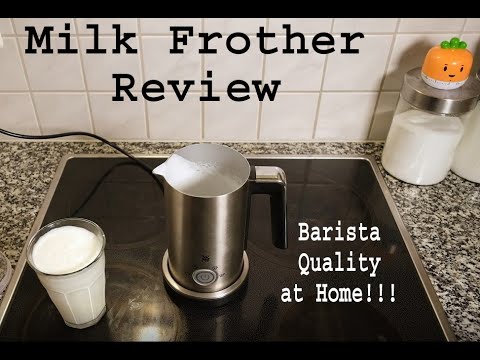
This guide will dive deep into the world of milk frothers, exploring the types, features, and performance metrics that make certain models stand out, echoing the thorough testing philosophy that Wirecutter applies to its recommendations. Get ready to uncover the secrets to perfect foam and elevate your home barista game.
What is a Milk Frother and Why You Need One
At its core, a milk frother is a device designed to aerate milk, creating light, airy foam or creamy, velvety microfoam. This textured milk is essential for classic coffeehouse beverages like cappuccinos, lattes, macchiatos, and even enhanced hot chocolates. Without a frother, achieving that signature layer of foam or silky-smooth texture is nearly impossible at home.
Beyond just aesthetics, frothed milk adds a luxurious mouthfeel and sweetness to your drinks, enhancing the overall flavor profile. It allows you to experiment with various coffee creations and impress guests with your barista skills, all from the comfort of your kitchen.
Popular Types of Milk Frothers: Finding Your Perfect Match
Just like coffee makers, milk frothers come in several distinct categories, each with its own advantages. Understanding these types is the first step in identifying the best milk frother Wirecutter would recommend for your specific needs.
Automatic Electric Frothers
These are perhaps the most popular for home users, offering unparalleled convenience. You simply pour in your milk, press a button, and the machine heats and froths it to perfection. Many models offer multiple settings for hot foam, cold foam, or just heated milk.
- Key Contenders: Models like the Nespresso Aeroccino4 are often praised for their speed and ease of use, delivering consistent foam with minimal effort. The Breville Milk Cafe Electric Frother is a favorite for those needing more capacity and precise temperature control, making it excellent for larger batches or experimenting with different milk types. The Instant Pot MagicFroth or Instant 4-in-1 Milk Frother and Steamer frequently earn top spots for their versatility, offering various foam textures (thick, light, cold) and quiet operation at an approachable price point. These automatic units are perfect for daily use, providing barista-quality foam consistently.
Handheld Electric Frothers
Compact, battery-operated, and incredibly affordable, handheld frothers are essentially mini whisks. They are ideal for single servings and don’t take up much counter space.
- Key Contenders: The Rösle Stainless Steel Dual Speed Frother is a premium handheld option known for its sturdy build and powerful whisking action. More budget-friendly options like the PowerLix or Bonsen Kitchen Handheld frothers are excellent for quick mixing and texturing, especially for cold foam or blending matcha. While they don’t heat milk, their portability makes them handy for travel or small kitchens.
Manual Frothers
For those who appreciate simplicity and durability, manual frothers offer a more hands-on approach. These typically consist of a pitcher with a plunger and a mesh screen. You pump the plunger to aerate the milk.
- Key Contenders: The Bodum Latteo Manual Milk Frother is often recommended for its robust, non-electric design and ability to produce rich foam. Its glass pitcher is microwave-safe, allowing you to heat milk in the same vessel. The HIC Fino Milk Frother provides a similar experience with a stainless steel construction. Manual frothers appeal to the “Buy It For Life” crowd due to their lack of electronic components and ease of repair. They require a bit more effort but offer excellent control over the foam’s texture.
No matter which type you lean towards, finding your ideal milk frother is made easier by understanding these distinctions. Many of these top-rated models are readily available, allowing you to easily purchase the best milk frother Wirecutter-style to elevate your daily brew.
Mastering Your Milk Frother: A Step-by-Step Guide
Using a milk frother is straightforward, but a few pointers can ensure you get the best results every time.
- Choose Your Milk: Start with fresh, cold milk. Whole milk generally produces the richest, most stable foam due to its fat content, but skim milk creates lighter, airier foam. For non-dairy options, “barista blend” oat or almond milks are formulated to froth exceptionally well.
- Fill to the Max Line: Most frothers have a “max fill” line for frothing (usually lower than the heating-only line) to account for the milk’s expansion. Do not overfill.
- Select Your Setting: For automatic frothers, choose your desired setting (hot foam, cold foam, light foam, etc.). For handheld, immerse the whisk head just below the surface. For manual, place the plunger in the pitcher.
- Froth Away:
- Automatic: Press the button and let the machine do its work.
- Handheld: Turn it on and move it up and down through the milk, focusing on the surface for about 15-30 seconds, then deeper for a more uniform texture.
- Manual: Pump the plunger vigorously for 30-60 seconds until the milk doubles in volume and has a creamy consistency.
- Tap and Swirl: Once frothed, gently tap the pitcher on the counter to break any large bubbles, then swirl the milk to integrate the foam and liquid, creating that desirable “microfoam” texture. This step is crucial for achieving latte art.
- Pour Immediately: Frothed milk starts to separate quickly, so pour it into your coffee or other beverage right away for the best results.
Techniques for Perfect Milk Froth Every Time
Achieving café-quality froth isn’t just about the machine; it’s also about technique.
- Start Cold, Finish Hot: Always begin with very cold milk. The colder the milk, the more time you have to incorporate air before it heats up, resulting in finer, more stable bubbles. Aim for a final milk temperature between 140°F and 155°F (60°C to 68°C) – hot enough to enjoy, but not so hot that it scorches the milk or compromises the foam structure.
- The Power of Microfoam: True barista-quality foam, often called microfoam, is characterized by tiny, uniform bubbles, giving it a glossy, paint-like consistency. This is what allows for intricate latte art and a supremely creamy mouthfeel. To achieve this, after initial aeration, try to submerge the whisk deeper into the milk to circulate the foam and liquid together.
- Non-Dairy Nuances: While many frothers handle non-dairy milks well, results can vary. Barista-edition oat and almond milks are specifically formulated with stabilizers and higher fat content to mimic dairy milk’s frothing properties. For best results, ensure they are very cold.
- Practice Makes Perfect: Don’t be discouraged if your first few attempts aren’t picture-perfect. Experiment with different milk types, temperatures, and frothing durations to find what works best for your specific frother and taste.
Comparing Top Models: What Wirecutter Values
When Wirecutter evaluates products, they look beyond mere functionality to aspects like ease of cleaning, durability, and consistent performance across various scenarios. For milk frothers, this translates into a focus on:
- Froth Quality & Consistency: Does it reliably produce dense, silky microfoam suitable for lattes, or light, airy foam for cappuccinos?
- Temperature Accuracy: Does it heat milk to the ideal range without scorching?
- Capacity & Versatility: Can it make enough for multiple drinks? Does it offer hot and cold options? Can it handle different milk types (dairy, oat, almond)? The Breville Milk Cafe, with its custom temperature dial and interchangeable whisk attachments for different foam textures, exemplifies this versatility.
- Ease of Cleaning: Is the interior non-stick? Are parts dishwasher-safe? Models with detachable, dishwasher-safe components, like some versions of the Instant Pot MagicFroth, score highly here.
- Durability & Build Quality: How well does it stand up to repeated use? Are the materials robust? This is where manual options like the Bodum Latteo shine, though well-built electric models also earn their stripes.
As seasoned barista Anya Petrova always says, “The perfect frother isn’t just about foam; it’s about the consistent creation of velvety texture that elevates every sip.” This sentiment perfectly captures the essence of what rigorous testing aims to uncover. The best milk frother Wirecutter would recommend is one that consistently delivers on these fronts, making your daily coffee ritual a genuine pleasure.
Maintaining and Cleaning Your Milk Frother
Proper maintenance ensures the longevity and hygienic operation of your milk frother.
- Clean Immediately: Milk can quickly dry and stick, making it difficult to remove. Rinse or clean your frother immediately after each use.
- Automatic Frothers: Many automatic frothers have non-stick interiors that can be wiped clean with a damp cloth. Some pitchers are detachable and dishwasher-safe; always check the manufacturer’s instructions. Avoid immersing the electric base in water.
- Handheld Frothers: Simply rinse the whisk head under running water and briefly turn it on to spin off any residue.
- Manual Frothers: Disassemble the plunger and pitcher, washing both with warm, soapy water. The parts are usually dishwasher-safe.
Tips for Choosing the Right Milk Frother
To find the best milk frother Wirecutter would likely approve of for you, consider these factors:
- Your Drink Preferences: Do you primarily make lattes (requiring smooth microfoam) or cappuccinos (needing thicker foam)? Do you enjoy cold foam drinks?
- Milk Type: If you use non-dairy milks frequently, look for frothers specifically noted for excellent performance with oat, almond, or soy milks.
- Capacity Needs: Are you frothing for one cup or multiple servings?
- Budget: Handheld frothers are the most affordable, followed by automatic electric models, with high-end electric frothers being the priciest.
- Counter Space: Handhelds are tiny, while some automatic frothers can be bulky.
- Desired Features: Do you want heating capabilities, multiple foam settings, or precise temperature control?
Frequently Asked Questions (FAQ)
Can I froth non-dairy milk with any milk frother?
Yes, most milk frothers can froth non-dairy milks, but results vary. For the best foam, look for “barista blend” versions of oat, almond, or soy milk, which are formulated to froth similarly to dairy milk.
What’s the best temperature for frothing milk?
The ideal temperature for frothed milk is between 140°F and 155°F (60°C to 68°C). This range brings out the milk’s natural sweetness without scalding it.
How do I clean my milk frother effectively?
Clean your frother immediately after each use. For automatic models, wipe the non-stick interior with a damp cloth or place dishwasher-safe parts in the dishwasher. Rinse handheld frothers under running water.
What’s the difference between a milk frother and a steamer?
A milk frother primarily aerates milk to create foam, though many electric models also heat the milk. A steamer, typically found on espresso machines, uses pressurized steam to simultaneously heat and texture milk, often creating a very fine microfoam. Frothers are generally simpler and more compact for home use.
Are handheld frothers worth it?
Absolutely! Handheld frothers are excellent for quick, single servings, cold foam, and blending powdered drinks like matcha. They are highly portable and very affordable, making them a great entry-level option or a perfect supplement to a full espresso setup.
Elevate Your Home Coffee Experience Today
The quest for the best milk frother Wirecutter would put its stamp of approval on ultimately leads to a device that consistently delivers delightful, café-quality frothed milk with minimal fuss. Whether you opt for the convenience of an automatic electric model, the portability of a handheld whisk, or the satisfying control of a manual frother, the right choice will transform your daily beverages. By understanding the different types, key features, and proper techniques, you’re now equipped to make an informed decision and embark on a journey of delicious lattes, cappuccinos, and more. So, go ahead, pick your perfect frother, experiment with your favorite milks, and savor the art of the perfect foam right in your own kitchen.