Are you dreaming of velvety lattes, creamy cappuccinos, or delightful hot chocolates right in your own kitchen? If so, you’re not alone! Many coffee enthusiasts are looking to elevate their home brewing experience, and the secret often lies in one simple device: the milk frother. But with so many options out there, how do you know which milk frother to buy? This comprehensive guide will walk you through everything you need to know to make an informed decision and bring that cafe-quality magic home.
What Exactly is a Milk Frother and Why Do You Need One?
At its heart, a milk frother is a kitchen appliance designed to transform ordinary milk into a light, airy, or creamy foam, often heated, for use in various beverages. It works by introducing air into the milk through mechanical agitation, either with a spinning whisk or manual pumping. While traditionally a staple in coffee shops, milk frothers have become essential tools for home baristas seeking to replicate professional results without professional equipment.
Why invest in one? Imagine starting your day with a perfectly frothed cappuccino, impressing guests with stunning latte art, or simply enjoying a luxurious cold foam iced coffee. A quality milk frother unlocks a world of delicious drinks, offering convenience, versatility, and a significant upgrade to your daily coffee ritual.
Diving into the World of Milk Frothers: Types Explained
When you’re ready to buy a milk frother, you’ll encounter several distinct types, each with its own advantages and considerations.
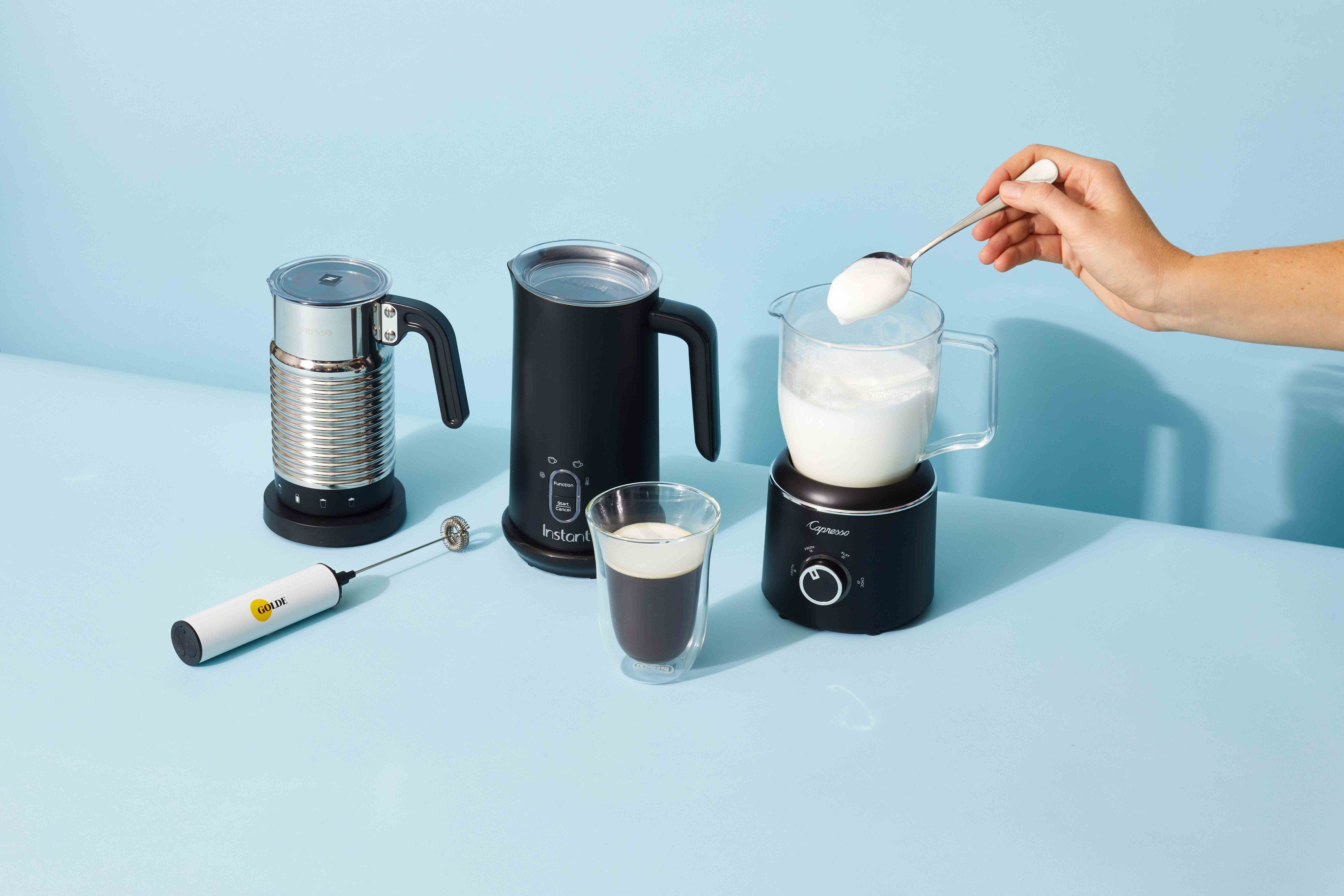
Manual Milk Frothers
These are the most basic and often the most budget-friendly options. They rely on your own effort to create foam.
- Handheld Whisk Frothers: These battery-operated wands are compact, portable, and excellent for frothing single servings directly in your mug. They are great for beginners due to their simplicity and affordability, and you’ll need to heat your milk separately before frothing.
- French Press Style Frothers: Resembling a small French press, these involve manually pumping a plunger with a mesh screen through milk. They offer a good level of control over the foam’s texture and can often be used to heat milk on a stovetop or in the microwave before frothing.
Electric Handheld Milk Frothers
While often grouped with manual wands due to their handheld nature, these can sometimes include more powerful, rechargeable models. They still require you to heat the milk separately, but offer more consistent results than a simple whisk.
Electric Countertop Milk Frothers (Automatic Pitchers)
Often considered the “Rolls Royce” of home frothers, these automatic units heat and froth milk with the touch of a button. They are ideal for those seeking convenience and consistent, high-quality foam.
- Features: Many models offer multiple settings for different foam textures (light, thick, cold foam) and precise temperature control.
- Capacity: They typically have larger capacities, allowing you to prepare enough frothed milk for multiple drinks.
- Examples: Popular models like the Instant Pot MagicFroth and Breville Milk Cafe are frequently praised for their performance and versatility.
Steam Wand Frothers
If you own an espresso machine, it likely comes with a steam wand. This is the professional barista’s tool of choice, using steam to simultaneously heat and aerate milk, creating silky microfoam perfect for latte art. While they offer unparalleled texture, mastering a steam wand requires practice and a significant investment in an espresso machine.
Finding Your Ideal Match: Key Considerations When You Buy a Milk Frother
Choosing the right milk frother is all about matching its features to your lifestyle and coffee preferences. Here’s what to look for when you’re ready to buy a milk frother:
Capacity
How many drinks do you typically make at once?
- Single Servings: A handheld or smaller automatic frother (4-8 oz capacity) is perfect for one or two lattes.
- Multiple Drinks: For a family or entertaining, look for larger automatic models (12-20 oz capacity) like the Breville Milk Cafe or Capresso Froth Max.
Frothing Speed and Settings
Consider how much control you want over your foam.
- Automatic Models: Many electric frothers offer preset options for hot thick foam, hot light foam, and cold foam. The Instant Pot MagicFroth, for instance, provides nine combinations of foam and temperature settings.
- Manual Models: These give you complete control over texture, allowing you to create anything from barely bubbly to a whipped cream-like consistency, depending on how long and vigorously you froth.
Temperature Control
Do you only want hot foam, or is cold foam for iced beverages a must?
- Self-heating Countertop Frothers: Most electric models heat and froth simultaneously, often with multiple temperature options. Some even offer a dedicated “cold stir” setting or can be used solely to reheat drinks.
- Manual/Handheld Frothers: You’ll need to heat your milk separately if you want hot foam, as these typically don’t have heating elements.
Ease of Cleaning
Nobody wants a hassle after their coffee!
- Dishwasher-Safe Parts: Look for frothers with removable, dishwasher-safe pitchers or whisks. This feature is a significant convenience.
- Non-Stick Interiors: These make handwashing quicker and easier.
Durability and Material
For a long-lasting appliance, material matters.
- Stainless Steel: Interiors made of stainless steel are generally more durable, resist staining and corrosion, especially when used with various milk types.
- Glass: Some manual models, like the Bodum Latteo, feature glass pitchers, allowing you to watch the frothing process – a nice visual bonus!
Noise Level
While not always a deal-breaker, some frothers are quieter than others. If you’re an early riser and don’t want to wake the house, a quieter electric model might be worth considering.
Compatibility with Milk Types
Whether you prefer dairy or plant-based milks, your frother should handle it well.
- Dairy Milk: Whole milk generally froths best due to its fat content, creating stable, luxurious foam.
- Non-Dairy Milk: Many frothers perform well with almond, oat, and soy milks, especially “barista-style” versions designed for frothing, which have higher protein and fat content. The Breville Milk Cafe is noted for its excellent performance with plant-based milks thanks to multiple whisk attachments and precise temperature control.
Whisk Attachments
Some advanced frothers come with different whisks for varying foam textures.
- For instance, the Breville Milk Cafe includes a flatter disk for a thinner, latte-style texture and a ridged whisk for airy cappuccino foam.
Budget
Milk frothers range widely in price.
- Under $20: Basic handheld frothers.
- $20-$50: Mid-range automatic or manual models with decent features.
- $50-$100+: Premium standalone units with multiple presets, stainless steel pitchers, and advanced temperature control.
As professional barista Alex Miller wisely states, “The best milk frother isn’t always the most expensive one. It’s the one that fits your daily routine, your milk preference, and your desire for perfect foam.”
Mastering the Art: Techniques for Perfect Milk Froth
Even the best milk frother needs a little help to produce that ideal foam. Here are a few expert tips:
- Start Cold: Always begin with cold milk. Cold milk froths better and allows more time for aeration before it heats up.
- Choose Your Milk Wisely: For dairy, whole milk yields the creamiest, most stable foam due to its fat content. For non-dairy, look for “barista blend” versions of oat, almond, or soy milk, as these are formulated to froth beautifully.
- Proper Positioning (for manual/handheld): Place the frother tip just below the milk surface. You want to incorporate air without creating large, unstable bubbles. Move it slightly up and down to achieve your desired texture.
- Don’t Overfill: Milk expands when frothed. Check your frother’s max fill line to avoid overflows.
Comparing Top Brands and Models: What to Look for
While personal preference plays a role, certain models consistently receive high marks for performance and features.
- Instant Pot MagicFroth: Often lauded as a top pick for its versatility, multiple foam and heat settings, and ease of cleaning, it performs well with both dairy and non-dairy milks.
- Breville Milk Cafe: This “splurge” option offers precise temperature control and interchangeable whisk attachments for different foam styles, making it a favorite for those serious about their foam.
- Nespresso Aeroccino: Known for its sleek design and quick frothing, though some models may have smaller capacities or limited settings compared to others.
- PowerLix Handheld: A popular budget-friendly handheld option for quick, on-demand frothing.
- HIC Fino Milk Frother: A highly-rated manual, French press-style frother for those who prefer more control and a robust foam.
When you buy a milk frother, reading current reviews and comparing these popular models will help you pinpoint features that align with your priorities.
Keeping It Pristine: Maintenance and Cleaning Your Milk Frother
To ensure longevity and consistent performance, proper cleaning is key.
- Immediate Rinse: Always rinse your frother immediately after use. Dried milk is much harder to clean.
- Dishwasher Safe: If parts are dishwasher safe, take advantage! This makes maintenance a breeze.
- Handwash: For non-dishwasher-safe components, use warm, soapy water and a soft brush or sponge. Be gentle with whisk attachments.
- Avoid Submerging: For electric frothers, never submerge the base or electrical components in water unless explicitly stated by the manufacturer.
Pro Tips for Choosing the Right Milk Frother
Ready to make your choice? Here’s a quick checklist:
- Assess Your Usage Frequency: Daily users benefit from durable, automatic models.
- Determine Preferred Milk Type: If you primarily use oat or almond milk, select a model with proven compatibility or specialized settings.
- Check Power Source Needs: Cordless handheld models offer flexibility but require charging. Countertop units need an outlet.
- Evaluate Kitchen Space: Compact designs suit smaller kitchens; larger units require dedicated counter space.
- Review Cleaning Requirements: Prioritize models with detachable, washable parts.
- Consider Ergonomics: For handheld frothers, test how it feels in your hand.
- Set a Budget: Know your spending limit, but remember that a slightly higher investment often translates to better durability and features.
FAQs About Buying Milk Frothers
What’s the best milk frother for non-dairy milk?
Many electric countertop frothers, like the Breville Milk Cafe or Instant Pot MagicFroth, are highly rated for their ability to froth non-dairy milks, especially “barista blend” versions, often with specialized settings or whisk attachments for optimal results.
Can I make cold foam with any milk frother?
No, not all milk frothers have a cold foam setting. If cold foam is a must-have for your iced coffees, ensure the model you choose explicitly states it has a “cold froth” or “cold stir” option. Handheld frothers can create cold foam if the milk is already cold.
How much should I expect to pay for a good milk frother?
Prices vary significantly, but you can find good quality handheld frothers for $15-$30, and reliable electric countertop models often range from $40 to $100, with high-end options exceeding $100.
Is an electric frother better than a handheld one?
It depends on your priorities. Electric countertop frothers offer more convenience, automatic heating, and consistent results with various settings. Handheld frothers are more portable, budget-friendly, and provide manual control over texture but require separate milk heating and more user effort.
How often should I clean my milk frother?
You should rinse your milk frother immediately after every use to prevent milk residue from drying and hardening, which makes it much harder to clean and can harbor bacteria. A thorough cleaning should be done regularly, following the manufacturer’s instructions.
What is microfoam, and how do I achieve it?
Microfoam is a dense, velvety milk foam with very small, uniform bubbles, often described as having a “wet paint” consistency. It’s ideal for latte art and is typically achieved with steam wands or high-quality automatic frothers that create a strong vortex during frothing. Using cold, fresh, high-fat milk (or barista-style non-dairy) and precise aeration techniques are key.
The Final Swirl: Elevating Your Home Coffee Experience
Investing in a quality milk frother is more than just buying another gadget; it’s about upgrading your entire coffee experience. Whether you’re a seasoned home barista or just starting your journey into the world of specialty coffee, the right milk frother can transform your daily brew into a cafe-worthy delight. Take your time, consider your needs, and soon you’ll be enjoying perfectly frothed milk drinks that rival your favorite coffee shop creations. So go ahead, find that perfect milk frother and enjoy the delicious difference!