Imagine waking up to the rich aroma of freshly brewed coffee, followed by the velvety embrace of perfectly frothed milk, all from the comfort of your kitchen. This isn’t just a dream for professional baristas anymore. With a high-quality Coffee Maker With Milk Frother, anyone can create cafe-style beverages at home, turning routine mornings into delightful rituals. This comprehensive guide will explore everything you need to know about these versatile machines, helping you elevate your home coffee experience.
What is a Coffee Maker with a Milk Frother and Why Do You Need One?
At its core, a coffee maker with milk frother is a single appliance designed to brew coffee and simultaneously, or sequentially, froth milk. It’s the ultimate convenience for anyone who loves lattes, cappuccinos, macchiatos, or even just a warm, foamy topping for their regular coffee. The “why” is simple: it streamlines your morning routine, saves valuable counter space by combining two essential functions, and unlocks a world of delicious milk-based coffee drinks without the need for multiple gadgets or a trip to your local coffee shop. These integrated systems are a game-changer for aspiring home baristas seeking both efficiency and quality.
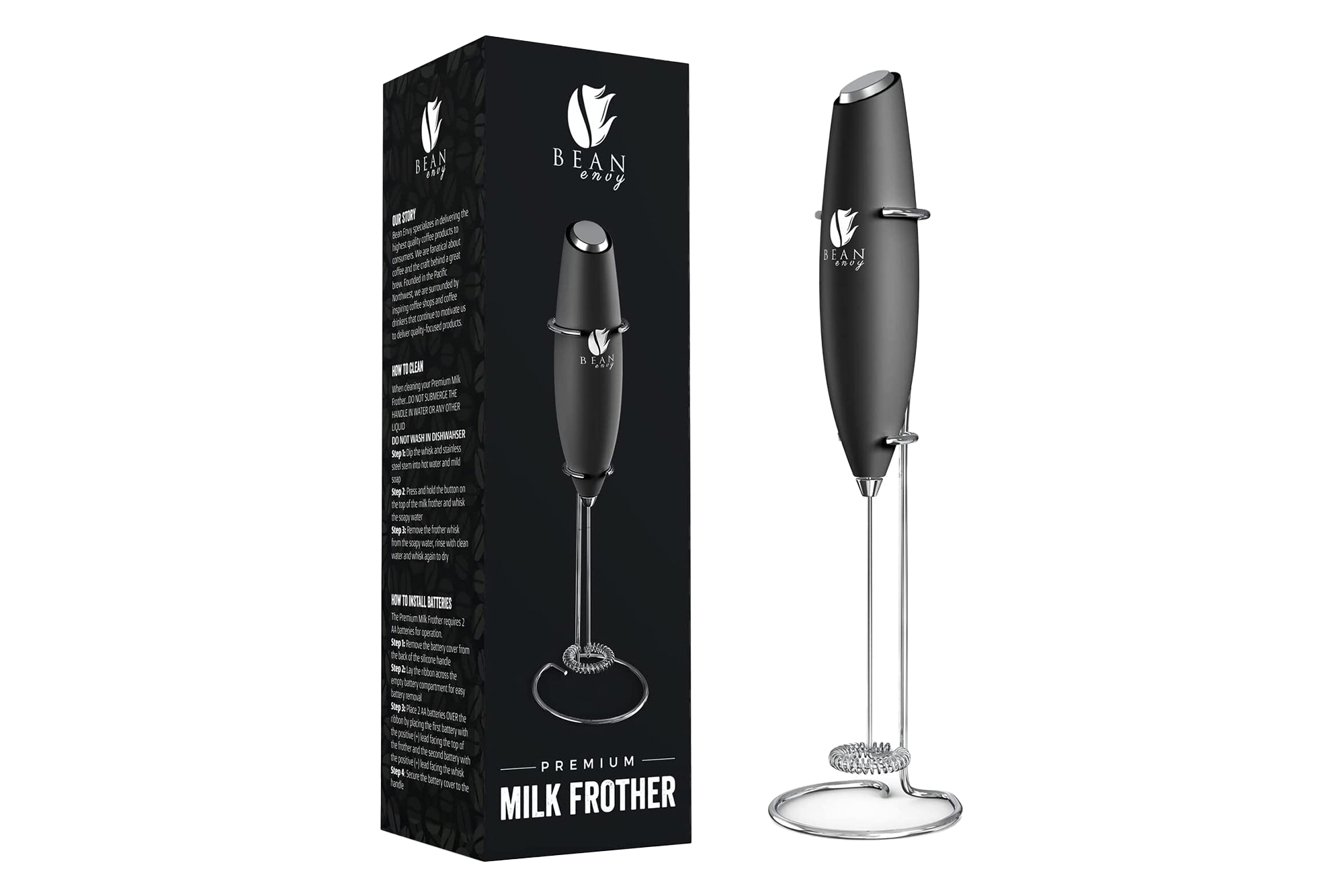
The Different Types of Coffee Makers with Milk Frothers
The world of integrated coffee maker with milk frother machines is diverse, offering options to suit every preference and skill level. Understanding the various types is key to choosing the right one for your home.
Espresso Machines with Manual Steam Wands
These machines are often favored by those who enjoy the hands-on experience of crafting their drinks. A manual steam wand, common on many semi-automatic espresso makers, gives you precise control over the milk texture and temperature. You’ll need a bit of practice to master the art of steaming and frothing, but once you do, you can create silky microfoam perfect for latte art. Brands like Breville and De’Longhi offer excellent models with robust steam wands. Some wands are “pannarello” style, designed to be more forgiving for beginners by simplifying airflow control, though they may offer less fine-tuned results than traditional wands.
Espresso Machines with Integrated Automatic Frothers
For ultimate convenience, fully automatic espresso machines often feature integrated milk carafes or automatic frothing systems. These machines handle everything from grinding beans to brewing espresso and frothing milk at the touch of a button. The milk is often siphoned from a reservoir, steamed, and dispensed directly into your cup, making cafe-quality drinks incredibly easy to prepare. Systems like Philips’ LatteGo or De’Longhi’s LatteCrema are prime examples, praised for their simplicity and consistent results, though some may find them less customizable than a manual wand.
Single-Serve Pod Machines with Frothers
Many popular single-serve coffee makers, like those from Nespresso and Keurig, offer models with integrated or accompanying milk frothers. These are perfect for quick, consistent cups of coffee or espresso with minimal cleanup. The frothers are typically electric, automatic units that heat and froth milk with a simple press of a button, making them ideal for busy mornings. While they provide excellent convenience, they often use pre-ground coffee pods, which might limit the freshness and variety compared to bean-to-cup machines.
Drip Coffee Makers with Companion Frothers
While less common as truly “integrated” units, some drip coffee makers are marketed alongside standalone electric milk frothers. This setup allows you to brew a larger pot of drip coffee while simultaneously preparing frothed milk for various coffee beverages, bridging the gap for those who enjoy both traditional coffee and specialty milk drinks. These companion frothers are usually compact, electric devices that can produce hot or cold foam.
How to Use Your Coffee Maker with a Milk Frother for Perfect Drinks
Using a coffee maker with milk frother to craft delicious beverages is surprisingly straightforward, though the exact steps vary by machine type. Here’s a general guide to get you started:
- Prepare Your Coffee: For espresso machines, grind fresh beans and tamp them into the portafilter, then extract your shot. For single-serve machines, insert your pod. If using a drip maker, brew your coffee as usual.
- Add Milk to the Frother: Fill the milk reservoir or pitcher with cold milk. For integrated automatic systems, ensure the milk carafe is filled to the desired level. For steam wands, use a stainless steel milk pitcher. “Always start with cold, fresh milk for the best frothing results,” advises Sarah Jenkins, a seasoned barista and coffee consultant. “It gives you more time to incorporate air and achieve that perfect, silky texture.”
- Activate the Frother:
- Automatic Frothers: Simply press the designated button for hot foam, cold foam, or heated milk. The machine will do the rest, stopping automatically once the process is complete.
- Steam Wands: Purge the steam wand first to release any condensed water. Submerge the tip just below the surface of the milk in your pitcher. Open the steam valve to begin frothing. Listen for a gentle tearing sound, which indicates you’re incorporating air. As the milk volume increases, lower the pitcher slightly to keep the tip just below the surface. Once the milk reaches your desired volume and temperature (typically 140-155°F or 60-68°C), submerge the wand deeper to create a swirling vortex, heating the milk without adding more air.
- Combine and Serve: Gently tap your milk pitcher (if using a steam wand) on the counter to break any large bubbles, then swirl the milk to achieve a glossy, uniform texture. Pour the frothed milk over your coffee or espresso, creating beautiful layers for lattes and cappuccinos.
- Clean Immediately: After each use, clean your frother components. For steam wands, wipe them down and purge them again to clear any milk residue. For automatic systems, follow the manufacturer’s cleaning instructions to prevent blockages and maintain hygiene.
Mastering the Art of Milk Frothing: Tips and Techniques
Achieving that perfect, velvety milk foam is what truly elevates your coffee experience. Here’s how to master it with your coffee maker with milk frother:
- Milk Choice Matters: While whole milk is traditionally easiest to froth due to its fat content, many plant-based milks now come in “barista” blends designed for excellent frothing. Oat milk and almond milk are popular choices for non-dairy options. Experiment to find your favorite texture and taste.
- Temperature Control: The ideal temperature for frothed milk is between 140-155°F (60-68°C). Going much hotter can “cook” the milk, altering its taste and causing the foam to separate. Many automatic frothers have pre-set temperatures, while manual wands require a bit more attention, often guided by touch or a thermometer.
- Microfoam vs. Macrofoam:
- Microfoam: This is the smooth, silky, almost paint-like texture ideal for lattes and latte art. It has tiny, uniform bubbles. Achieving it with a steam wand involves careful air incorporation followed by vigorous swirling to integrate the air throughout the milk.
- Macrofoam: This is thicker, with larger, more distinct bubbles, often preferred for traditional cappuccinos. Many automatic frothers and less precise steam wands tend to produce macrofoam.
- Pouring Technique: For latte art, start with the cup tilted, pouring the milk from a slight height to mix with the espresso. As the cup fills and the foam begins to appear, bring the pitcher closer to the surface, steady the cup, and pour at a consistent rate to create your desired design.
Key Features to Look For When Buying a Coffee Maker with a Milk Frother
When investing in a coffee maker with milk frother, consider these features to ensure it meets your brewing habits and lifestyle:
- Frothing Method: Do you prefer the hands-on control of a manual steam wand or the push-button ease of an automatic frother? Automatic systems are great for consistency, while manual wands offer more versatility for experienced users.
- Brewing Capabilities: What kind of coffee do you primarily drink? Espresso machines with frothers are perfect for lattes and cappuccinos. Some all-in-one machines can also brew drip coffee or single-serve pods, offering greater versatility.
- Water Reservoir and Milk Capacity: Consider how many drinks you typically make. Larger reservoirs and milk carafes mean fewer refills.
- Ease of Cleaning: Milk residue can be tough to clean if left to dry. Look for machines with removable, dishwasher-safe parts or easily accessible cleaning cycles, especially for automatic milk systems. A self-cleaning function for the frother is a significant advantage.
- Footprint and Design: These machines can vary greatly in size. Measure your counter space and consider the aesthetic to ensure it fits seamlessly into your kitchen.
- Pump Pressure (for Espresso Machines): A 15-bar pump pressure is standard for quality espresso extraction, ensuring a rich crema.
- Grinder Integration: Some high-end models feature built-in grinders, taking you from bean to cup with ultimate freshness. This adds to convenience but also typically increases the cost and size of the machine.
- Price: Coffee makers with milk frothers range from budget-friendly single-serve options to high-end super-automatic espresso machines. Set a budget and prioritize features that are most important to you.
Top Brands and Models: A Quick Overview
The market offers many reputable brands known for their quality coffee maker with milk frother machines:
- Breville: Often lauded for their intuitive semi-automatic espresso machines like the Barista Express or Bambino Plus, which feature powerful steam wands or automatic frothing.
- De’Longhi: A strong contender in both semi-automatic and fully automatic espresso machines, offering user-friendly interfaces and robust milk systems such as the LatteCrema.
- Ninja: Known for versatile all-in-one brewers that often include integrated frothers for specialty coffee drinks, like their Pod & Grounds Specialty Single Serve Coffee Maker.
- Nespresso: Specializes in pod-based espresso makers, many of which come with or are compatible with their Aeroccino automatic milk frothers, providing quick and consistent results.
- Philips: Their fully automatic machines, particularly those with the LatteGo system, are praised for their easy-to-clean and efficient automatic milk frothing.
- Keurig: While primarily known for single-serve drip coffee, some Keurig models, like the K-Cafe, include integrated frothers, bridging the gap for specialty drink lovers.
Maintaining Your Coffee Maker with Milk Frother for Longevity
Proper maintenance is crucial for the longevity and performance of your coffee maker with milk frother. Neglecting it can lead to blockages, poor performance, and even bacterial growth.
- Daily Cleaning:
- Steam Wands: Immediately after each use, wipe down the wand with a damp cloth and purge a small burst of steam to clear any milk residue.
- Automatic Systems: Rinse milk carafes and detachable frother parts thoroughly with water. Many are dishwasher safe.
- Weekly Cleaning: Deep clean removable parts with mild soap and water. Pay close attention to any small nozzles or tubes where milk can accumulate.
- Descaling: Mineral buildup from water can clog your machine and affect performance. Descale your coffee maker every 1-3 months, or as recommended by the manufacturer, using a descaling solution. This is vital for both the brewing and frothing components.
- Brew Group Cleaning (for Espresso Machines): If your machine has a removable brew group, clean it regularly according to the manual to prevent coffee oil buildup.
Is a Coffee Maker with a Milk Frother Right for You?
Deciding if a coffee maker with milk frother is the right addition to your kitchen depends on your lifestyle and coffee preferences.
Pros:
- Convenience: All-in-one solutions simplify your coffee routine.
- Space-Saving: Reduces clutter compared to separate machines.
- Versatility: Allows you to create a wide range of milk-based drinks beyond just black coffee.
- Cafe-Quality at Home: Enjoy professional-tasting beverages whenever you want.
Cons:
- Cost: Integrated machines generally cost more than separate basic coffee makers.
- Complexity (for some models): Espresso machines with manual steam wands have a learning curve.
- Maintenance: Integrated milk systems require diligent cleaning to prevent clogs and ensure hygiene.
- Footprint: While saving space from separate units, some all-in-one machines can still be quite large.
Ultimately, if you’re a fan of lattes, cappuccinos, and other specialty coffee drinks, and value the convenience of an integrated system, a coffee maker with milk frother is an excellent investment that will transform your daily coffee ritual.
FAQ
Q: Can I use non-dairy milk in a coffee maker with a milk frother?
A: Absolutely! Most modern coffee maker with milk frother machines are designed to work with various milk types, including oat, almond, soy, and coconut milk. For best results, look for “barista blends” of plant-based milks, which are formulated to froth better and create a creamier texture.
Q: How often should I clean the milk frother component?
A: It’s crucial to clean the milk frother immediately after each use to prevent milk residue from drying and clogging the system. A quick wipe-down and steam purge for wands, or rinsing for automatic carafes, is usually sufficient daily. Deeper cleaning should be done weekly, and descaling every 1-3 months.
Q: What’s the difference between a steam wand and an automatic milk frother?
A: A steam wand offers manual control over the frothing process, allowing experienced users to create specific milk textures like microfoam for latte art. An automatic milk frother provides push-button convenience, heating and frothing milk to a consistent texture, often suitable for cappuccinos or lattes without the manual effort.
Q: Can a coffee maker with a milk frother make cold foam?
A: Many automatic milk frothers, especially standalone units or those integrated with single-serve machines, have a “cold foam” setting. This allows you to create thick, airy cold foam perfect for iced coffees and cold brew beverages.
Q: Are coffee makers with milk frothers difficult to use?
A: The ease of use varies greatly by type. Single-serve machines with automatic frothers are generally very easy to use, often requiring just a press of a button. Semi-automatic espresso machines with manual steam wands have a steeper learning curve but offer more creative control once mastered. Fully automatic machines aim for simplicity with one-touch brewing and frothing.
Q: Is it worth investing in a coffee maker with a milk frother?
A: If you regularly buy milk-based coffee drinks from cafes, an integrated coffee maker with milk frother can be a worthwhile investment. It offers significant savings over time, unparalleled convenience, and the satisfaction of crafting your favorite beverages at home. The ability to customize your drinks and experiment with different milks also adds significant value.
Conclusion
Embracing a coffee maker with milk frother is more than just buying an appliance; it’s about unlocking a new level of coffee enjoyment in your own home. From the early morning rush to leisurely weekend brunches, these machines empower you to be your own barista, transforming simple coffee beans and milk into delicious works of art. By understanding the different types, mastering frothing techniques, and committing to proper maintenance, you’ll ensure your integrated coffee maker continues to deliver cafe-quality drinks for years to come. So go ahead, experiment with different coffees, milks, and recipes, and savor the rich, foamy possibilities that await.