Waking up to the rich aroma of freshly brewed espresso and the comforting embrace of velvety milk foam is no longer a distant dream reserved for the local coffee shop. Thanks to the marvels of modern engineering, having an Espresso Coffee Machine With Milk Frother at home transforms your kitchen into a personal café, empowering you to craft barista-quality beverages with ease. This guide will walk you through everything you need to know about these fantastic machines, from understanding their technology to mastering the art of the perfect pour.
An integrated espresso coffee machine with milk frother isn’t just about making coffee; it’s about elevating your entire coffee experience. Imagine effortlessly whipping up lattes, cappuccinos, or flat whites whenever the mood strikes, all from the comfort of your home. These machines combine the powerful brewing capabilities of an espresso maker with the essential tool for creating luscious, textured milk, turning every sip into a moment of pure bliss.
What is an Espresso Coffee Machine with Milk Frother? Why It’s a Game-Changer
At its heart, an espresso coffee machine with milk frother is a sophisticated appliance designed to simplify the creation of milk-based espresso drinks. Instead of needing separate devices for brewing espresso and frothing milk, these machines combine both functions into one streamlined unit. This integration saves counter space, reduces clutter, and most importantly, provides a cohesive and often more efficient workflow for crafting your favorite coffee concoctions.
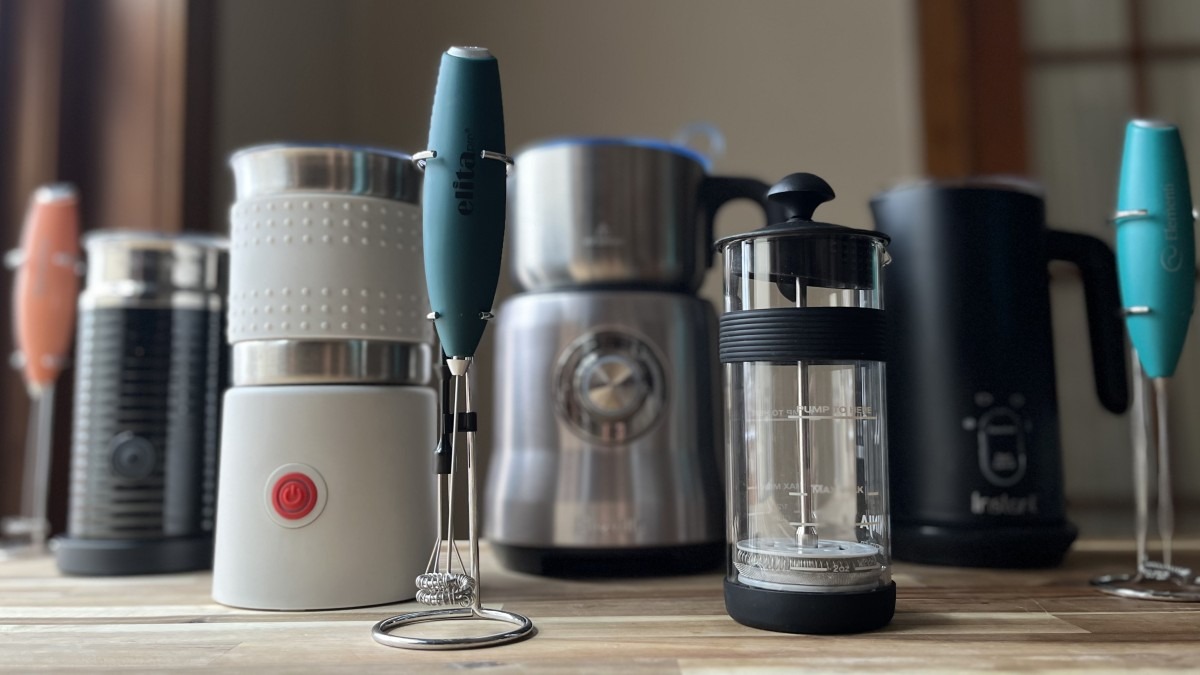
The magic lies in the ability to precisely control the steaming or frothing process, which is crucial for achieving that desirable microfoam—a silky, glossy milk texture free of large bubbles. This isn’t just for aesthetics; perfectly frothed milk enhances the flavor profile of your drink, adding a natural sweetness and a luxurious mouthfeel that complements the intense espresso shot beautifully. For many home baristas, this combined functionality is a true game-changer, opening up a world of creativity and allowing them to replicate café favorites without stepping outside.
Unpacking the Types of Milk Frothers on Espresso Machines
When you’re looking at an espresso coffee machine with milk frother, you’ll typically encounter two main types of frothing systems: manual steam wands and automatic milk systems. Each offers a distinct experience and level of control.
Manual Steam Wands: For the Aspiring Barista
Manual steam wands are the classic choice, favored by traditionalists and those who love to feel truly connected to their coffee-making process. These wands extend from the espresso machine and use pressurized steam to heat and aerate milk in a separate pitcher.
- The Experience: Using a manual steam wand is an art form that requires a bit of practice but offers unparalleled control over milk texture. You control the angle of the wand, its depth in the milk, and the duration of steaming to achieve anything from light, airy foam for a cappuccino to dense, velvety microfoam for latte art.
- The Technique: You’ll typically submerge the tip just below the surface of cold milk in a stainless steel frothing pitcher. The goal is to “stretch” the milk by introducing air to create foam, then “texture” it by circulating the milk to integrate the foam and break down large bubbles, resulting in a smooth, glossy consistency. The sound of a gentle “hiss” or “chirp” indicates you’re in the sweet spot.
Liam O’Connell, a seasoned barista from Seattle, always says, “The manual steam wand is where the soul of the drink truly comes alive. It’s not just frothing; it’s sculpting with steam.”
Automatic Milk Systems: Convenience at Your Fingertips
Automatic milk systems, often found on super-automatic espresso machines, offer ultimate convenience. These systems handle the frothing process for you at the touch of a button.
- The Experience: With an automatic system, you simply add milk to an integrated carafe or position a tube into a milk container, select your desired drink (latte, cappuccino, etc.), and the machine does the rest. It draws the milk, steams it to the correct temperature and consistency, and dispenses it directly into your cup, followed by the espresso.
- The Variety: Some automatic systems allow for customization of foam texture, offering options for more or less foam, catering to different drink preferences. While they might offer less fine-grained control than a manual wand, their consistency and ease of use are undeniable.
Choosing between a manual or automatic system depends on your personal preference for involvement and control versus sheer convenience.
Mastering the Art: How to Use Your Espresso Machine’s Milk Frother
Regardless of whether you have a manual steam wand or an automatic system, understanding the basics of milk frothing will vastly improve your home barista journey.
Preparing for Frothing
- Start Cold: Always use fresh, cold milk (dairy or non-dairy). Cold milk gives you more time to work with the steam and create a fine texture before it gets too hot.
- Clean Jug: For manual wands, use a clean, chilled stainless steel frothing pitcher.
- Purge the Wand: Before placing the wand into the milk, quickly turn on the steam for a second or two to clear any condensed water inside. This ensures you’re only introducing pure steam to your milk.
Manual Frothing Technique: Step-by-Step
- Position the Wand: Submerge the tip of the steam wand just below the surface of the milk, typically off-center in the pitcher.
- Introduce Air (Stretching): Turn the steam on to full power. You should hear a gentle “hissing” sound, indicating air is being drawn into the milk, creating foam. Keep the tip near the surface as the milk level rises. This is where you create the volume. For a cappuccino, you’ll stretch longer than for a latte or flat white.
- Integrate and Heat (Texturing): Once you have enough foam (which you can gauge by volume increase), lower the pitcher slightly so the wand is fully submerged. Angle the pitcher slightly to create a “vortex” or “whirlpool” effect in the milk. This motion breaks down larger bubbles and integrates the foam into the liquid milk, creating a silky, consistent texture.
- Monitor Temperature: Keep your hand on the outside of the pitcher. When the pitcher becomes too hot to comfortably hold (around 140-150°F or 60-65°C), turn off the steam. Overheating can scald the milk and negatively affect its taste.
- Clean Up: Immediately wipe the steam wand with a damp cloth to prevent milk from drying and clogging it. Purge the wand again briefly to clear any internal milk residue.
- Swirl and Tap: Tap the pitcher gently on the counter to pop any remaining large bubbles. Swirl the milk vigorously to achieve a glossy, uniform texture ready for pouring.
Automatic Frothing: Simple Perfection
For automatic systems, the process is far simpler:
- Fill Milk: Add fresh, cold milk to the designated milk carafe or connect the milk tube to your container.
- Select Drink: Choose your desired beverage (e.g., latte, cappuccino) on the machine’s interface.
- Press Start: The machine will automatically brew the espresso and froth the milk, dispensing them into your cup in the correct order.
- Clean Automatically: Many automatic systems have a self-cleaning function for the milk system, which you should utilize after each session.
Achieving Perfect Milk Microfoam for Latte Art
The pursuit of “microfoam” is what separates good frothed milk from great frothed milk. Microfoam is characterized by tiny, uniform bubbles, a smooth, velvety texture, and a glossy appearance. It flows like wet paint, making it ideal for pouring intricate latte art designs. The key is balance: enough air for volume, but enough circulation to break down large bubbles and integrate the foam. This texture is paramount for a truly delightful milk-based espresso drink.
Choosing the Right Espresso Coffee Machine with Milk Frother
Selecting the perfect espresso coffee machine with milk frother involves a few considerations to match your lifestyle and coffee aspirations.
- Budget: Machines range widely in price, from entry-level semi-automatics with steam wands to high-end super-automatics with advanced milk systems. Define what you’re willing to invest.
- Space: Consider your kitchen counter space. Compact models are available, while others require more room.
- Drink Preferences: If you primarily drink black espresso, the milk frother might be secondary. But if lattes and cappuccinos are your go-to, the quality and type of frother become crucial.
- Ease of Use vs. Control: Do you want a simple one-touch experience (automatic frother) or prefer to hone your barista skills with a manual steam wand?
- Maintenance: Think about cleaning routines. Automatic systems often require regular flushing and deeper cleaning of milk conduits, while manual wands need immediate wiping and purging.
- Brand Reputation: Trusted brands like Breville, De’Longhi, and Smeg often offer reliable machines with good customer support.
“Don’t just chase the latest features,” advises Liam O’Connell. “Think about your daily routine. The best machine is one you’ll actually use and enjoy maintaining.”
Maintenance and Cleaning for Longevity
Regular cleaning is not just about hygiene; it’s vital for the longevity and performance of your espresso coffee machine with milk frother. Milk residue can quickly clog steam wands or internal milk systems, leading to poor frothing performance and bacterial growth.
- Daily Routine:
- Steam Wand: After every use, wipe the steam wand immediately with a damp cloth and purge a small burst of steam to clear any milk from the nozzle.
- Automatic Systems: If your machine has a self-cleaning milk system, run it after each session. If it uses a removable milk carafe, rinse it thoroughly with water.
- Weekly/Bi-Weekly:
- Deeper Clean: For manual wands, occasionally soak the tip in warm water with a cleaner designed for milk residue. Use a pin or needle to clear any stubborn blockages in the steam holes.
- Automatic Carafe: Disassemble and thoroughly clean all parts of the milk carafe or frothing components with warm soapy water.
- Monthly/Bi-Monthly (or as indicated):
- Descaling: Follow your machine’s manufacturer instructions for descaling. This process removes mineral buildup from water, which can affect heating elements and water flow.
- Group Head Backflushing: For semi-automatic machines, perform backflushing with a blind filter and espresso machine cleaner to clear coffee oils from the group head.
Common Frothing Challenges and Solutions
Even with the best espresso coffee machine with milk frother, you might encounter a few hiccups on your frothing journey.
- Too Many Large Bubbles: This often means the steam wand tip isn’t correctly positioned near the surface when introducing air (stretching), or you haven’t properly textured the milk to integrate the foam. Try to maintain that gentle “hissing” sound and ensure a good vortex is created.
- Not Enough Foam: You might not be introducing enough air. Keep the tip closer to the surface for longer during the “stretching” phase, especially for cappuccinos.
- Milk Too Hot/Cold: Practice judging the temperature by hand or use a frothing thermometer. Overheated milk develops a “cooked” taste, while underheated milk won’t fully froth or incorporate properly.
- Milk Not Spinning: If you’re not getting a good vortex with a manual wand, adjust the angle and depth of the wand. It should be slightly off-center and angled to create a swirling motion.
- Inconsistent Results (Automatic Frother): Ensure all milk system components are clean and free of clogs. Check if your milk type (full-fat, skim, oat, etc.) is compatible with the system, as some machines perform better with specific milk varieties.
Frequently Asked Questions About Espresso Coffee Machines with Milk Frothers
Can I use non-dairy milk with an espresso coffee machine with milk frother?
Absolutely! Many non-dairy milks, particularly oat milk baristas blends, almond milk, and soy milk, can be frothed effectively. However, results can vary between brands and machine types. Some automatic frothers might perform better with dairy, so experimenting with different non-dairy options is key to finding your favorite.
What’s the ideal temperature for frothed milk?
The sweet spot for frothed milk is generally between 140°F and 155°F (60°C to 68°C). Anything hotter can scald the milk, altering its taste and texture, while colder milk may not achieve the desired creaminess.
How often should I clean the milk frother on my espresso machine?
For optimal performance and hygiene, you should clean your milk frother after every single use. This includes wiping down the steam wand and purging it, or running the automatic cleaning cycle on integrated systems. Deeper cleaning, like disassembling and washing milk carafes, should be done daily or weekly depending on usage.
What’s the main difference between a manual steam wand and an automatic milk frother?
The primary difference lies in control and convenience. A manual steam wand offers full control over the milk’s texture and temperature, allowing for barista-level customization and latte art. An automatic frother provides one-touch convenience, handling the frothing process automatically with less user input, ideal for those seeking speed and consistency without the learning curve.
Is an integrated milk frother worth it for home use?
For anyone who enjoys milk-based espresso drinks like lattes, cappuccinos, or flat whites regularly, an integrated milk frother is absolutely worth it. It simplifies the process, saves counter space, and helps you achieve café-quality results at home, making your daily coffee ritual more enjoyable and convenient.
Conclusion
Bringing an espresso coffee machine with milk frother into your home is an invitation to explore the delightful world of specialty coffee. It’s an investment in countless mornings filled with aromatic brews and evenings savored with artfully crafted beverages. Whether you become a master of the manual steam wand or prefer the effortless elegance of an automatic system, the joy of creating your favorite coffee shop drinks at home is truly unparalleled. So, go ahead, experiment with different milks and techniques, and embrace your inner barista. The perfect cup is waiting for you!