Imagine waking up to the rich aroma of freshly brewed espresso, followed by the luxurious swirl of perfectly frothed milk, creating that velvety cappuccino or a stunning latte art masterpiece right in your own kitchen. This isn’t just a dream reserved for professional baristas; with the right Espresso Milk Frother, you can elevate your daily coffee ritual into an art form. As passionate advocates for the home coffee experience at MilkFrotherPro, we’re here to guide you through everything you need to know about these essential gadgets, from how they work to choosing and using the perfect one for your espresso creations.
What is an Espresso Milk Frother and Why Do You Need One?
At its core, an espresso milk frother is a device designed to aerate milk, transforming it into a thicker, creamier texture – whether that’s the airy foam for a classic cappuccino or the silky microfoam essential for a flat white or latte art. But why is this so crucial for espresso? Espresso itself is a concentrated, bold coffee, and when combined with milk, the texture of that milk fundamentally changes the drink. A well-frothed milk isn’t just about adding volume; it’s about creating a harmonious balance that enhances the espresso’s flavor and provides a delightful mouthfeel.
The magic happens thanks to the science of milk proteins, specifically casein micelles. When milk is frothed, these protein clusters are disrupted, allowing them to wrap around tiny air bubbles and create a stable foam. This process is often achieved through either steam injection (like on an espresso machine’s steam wand) or mechanical agitation (found in automatic frothers and handheld whisks). Without a dedicated espresso milk frother, achieving that desired creamy texture and volume for milk-based espresso drinks is nearly impossible, leaving you with lukewarm, flat milk that simply doesn’t do your espresso justice. It’s the key to turning an ordinary coffee into an extraordinary experience.
Types of Espresso Milk Frothers: Finding Your Perfect Match
The world of espresso milk frothers offers a fantastic array of options, each catering to different needs, skill levels, and desired results. Understanding the distinctions will help you pinpoint the best fit for your home barista setup.
Espresso Machine Steam Wands: The Pro’s Choice
For those serious about their espresso and latte art, a dedicated espresso machine with a powerful steam wand is the gold standard. This method involves using high-pressure steam to simultaneously heat and aerate the milk, giving you unparalleled control over the milk’s texture and temperature.
- Pros: Produces the finest, most velvety microfoam, ideal for latte art. Offers precise control for customizing foam density.
- Cons: Requires significant skill and practice to master. Typically part of a larger, more expensive espresso machine.
Automatic Electric Milk Frothers: Convenience Meets Consistency
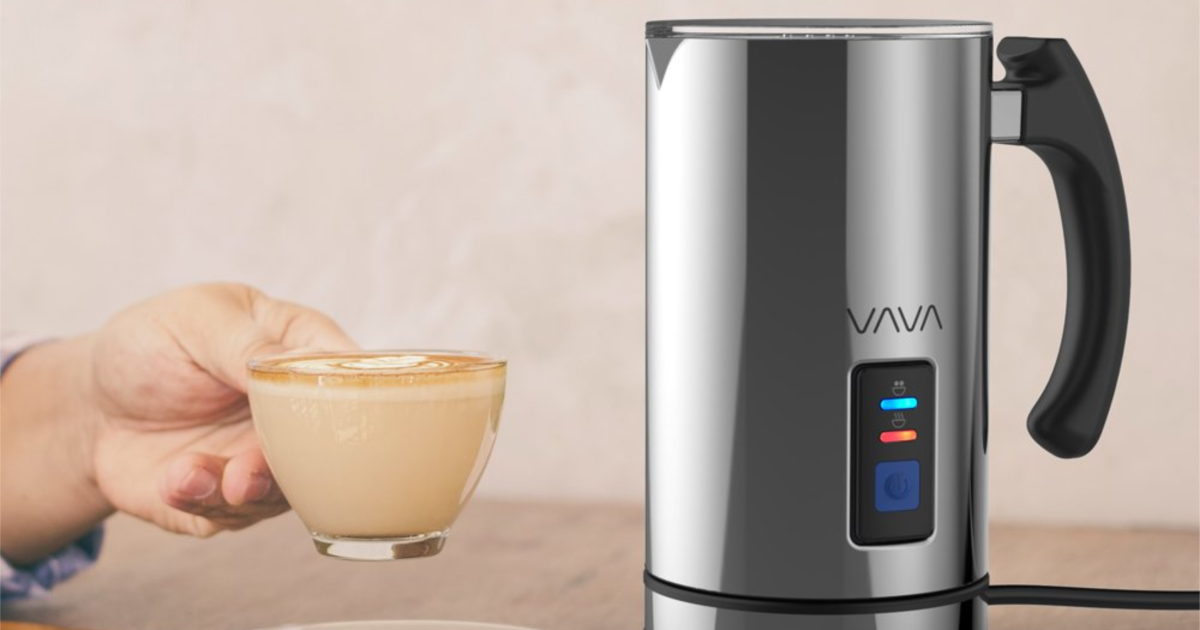
These countertop devices are a popular choice for home users seeking café-quality results with minimal effort. Automatic electric frothers handle both heating and frothing, often at the touch of a button. Many come with multiple settings for hot foam, cold foam, or just heated milk, and can even offer varying foam densities. Brands like the Instant Pot MagicFroth, Breville Milk Cafe, and Nespresso Aeroccino lines are well-regarded in this category.
- Pros: Extremely easy to use, consistent results, often heats and froths simultaneously, versatile with hot/cold options.
- Cons: Less control over microfoam texture compared to a steam wand, can be pricier than manual options.
Manual Frothers: Simple & Budget-Friendly
Manual frothers, often resembling a French press, are an economical and effective way to achieve frothed milk. You typically heat the milk separately (on a stovetop or microwave) and then use a plunger with a mesh screen to pump air into the milk, creating foam.
- Pros: Very affordable, portable, provides good control over foam density, easy to clean, no electricity needed.
- Cons: Requires separate milk heating, more manual effort, achieving consistent microfoam for latte art can be challenging.
Handheld Whisks: Portable & Quick
For quick frothing of small quantities of milk, or for those with limited counter space, a battery-operated handheld whisk is a convenient solution. These compact devices are perfect for adding a foamy touch to your morning coffee or hot chocolate. Popular models include those from PowerLix and Aerolatte.
- Pros: Highly portable, very affordable, quick results (15-20 seconds), easy to store.
- Cons: Doesn’t heat milk, produces a lighter, airier foam (less ideal for true microfoam), battery-operated.
Expert Insight: Choosing Your Frother
“When my clients ask me about choosing a frother,” says Sarah Chen, a seasoned barista and coffee consultant, “I always tell them to consider their coffee routine. If you’re chasing the perfect latte art, invest in a good espresso machine with a steam wand and be ready to practice. But if you want consistent, delicious foamed milk for your daily drinks without the fuss, an automatic frother is a game-changer. There’s a perfect tool for every coffee lover out there.”
Mastering the Art: How to Use Your Espresso Milk Frother
Getting that perfect milk foam for your espresso isn’t just about the equipment; it’s about technique. Here’s how to unlock the full potential of your espresso milk frother.
Preparing Your Milk: The Foundation of Foam
The type of milk you choose significantly impacts the quality of your foam.
- Whole Dairy Milk: Baristas widely prefer full-cream milk due to its fat content, which helps create a thicker, creamier, and more stable microfoam.
- Low-Fat/Skim Milk: These produce a lighter foam with larger air bubbles, which can be suitable for a delicate cappuccino but might lack the velvety texture for latte art.
- Plant-Based Milks: Oat, almond, and soy milk can all be frothed. For best results, look for “barista blend” versions, as these are formulated to foam better than standard alternatives.
Always start with fresh, cold milk straight from the fridge. This gives you more time to texture the milk before it overheats.
Step-by-Step with a Steam Wand
This is where the artistry truly begins for espresso enthusiasts.
- Purge the Wand: Before you start, wrap a damp cloth around the steam wand and open the valve for a second or two. This expels any condensed water, preventing it from diluting your milk. Repeat this after steaming to clean the wand.
- Fill Your Jug: Pour fresh, cold milk into a stainless steel frothing pitcher. Don’t overfill; the milk will expand. Aim for just below the bottom of the spout’s indent, or about one-third to halfway up the jug, leaving room for expansion.
- Position the Wand (Stretching): Submerge the tip of the steam wand just below the milk’s surface, slightly off-center, holding the jug at a 10-15° angle. Slowly open the steam valve fully. You should hear a soft “kissing” or “tearing paper” sound as air is introduced – this is the “stretching” phase, where you incorporate air to create foam. Do this for 1-4 seconds, depending on how much foam you desire (less for latte art, more for cappuccino).
- Submerge and Swirl (Spinning): Once enough air is introduced, lower the jug slightly to submerge the wand tip deeper into the milk. Adjust the angle to create a consistent “whirlpool” motion. This “spinning” or “polishing” phase integrates the air bubbles, breaking down larger ones into a smooth, velvety microfoam. You should no longer hear the “kissing” sound, only a gentle rumble.
- Monitor Temperature: Continue spinning until the jug becomes too hot to comfortably hold (around 60-65°C or 140-150°F). For latte art, some baristas prefer a slightly cooler temperature (around 50°C/122°F) as it offers more control for pouring. Overheating the milk will scorch it, affecting the taste and texture.
- Turn Off & Clean: Close the steam valve, remove the jug, and immediately wipe the steam wand clean with a damp cloth, then purge it again. This prevents milk residue from hardening and clogging the wand.
- Swirl and Tap: Gently swirl the milk in the jug to ensure the microfoam is fully integrated and shiny. If there are any large bubbles, gently tap the jug on the counter to break them down.
Using an Automatic Frother
Automatic frothers are wonderfully straightforward:
- Fill Milk: Pour cold milk into the frother jug, ensuring you don’t exceed the marked maximum fill lines (there’s usually one for frothing and one for heating).
- Select Setting: Choose your desired setting (e.g., hot dense foam, hot airy foam, cold foam, heated milk) and press the button.
- Pour: Once the cycle is complete, the frother will typically shut off automatically. Pour your perfectly frothed milk into your espresso.
Tips for Manual & Handheld Frothers
- Manual (Plunger-Style): Heat milk separately. Plunge vigorously for 10-20 seconds until desired foam consistency. Let it rest for a moment, then tap and swirl the jug to incorporate.
- Handheld Whisk: Heat milk in a mug. Insert the whisk tip just below the surface and activate it, moving it up and down gently until foam forms (usually 15-20 seconds).
The Secret to Silky Microfoam and Stunning Latte Art
Achieving silky microfoam is the holy grail for espresso enthusiasts, especially those aspiring to latte art. Microfoam is characterized by its very fine, uniform bubbles, giving the milk a glossy, liquid-like consistency that seamlessly integrates with espresso. Traditional cappuccino foam, on the other hand, has larger, more distinct bubbles.
The key lies in the “stretching” and “spinning” phases with a steam wand. Too much stretching creates stiff, bubbly foam; too little results in flat milk. Perfect microfoam feels like wet paint or melted ice cream. For latte art, some baristas advocate for slightly cooler milk (around 50°C/122°F) as it stays more fluid and gives you more time to pour your designs. Remember, practice truly makes perfect. Don’t get discouraged if your first attempts aren’t café-worthy; every expert barista started somewhere!
Choosing Your Espresso Milk Frother: Key Considerations
With so many options, how do you pick the right espresso milk frother? Consider these factors:
- Lifestyle & Usage: Do you make milk-based espresso drinks daily, or only occasionally? Daily users might appreciate the convenience of an automatic frother or the control of a steam wand, while occasional users might prefer a handheld or manual option.
- Control vs. Convenience: Are you a budding barista eager to master technique and latte art (steam wand)? Or do you prioritize ease and consistent results with minimal effort (automatic frother)?
- Capacity & Counter Space: How many drinks do you typically make at once? Consider the frother’s capacity and how much room it will take up in your kitchen. Handhelds are minimalists’ dreams, while some automatic frothers can be bulky.
- Budget: Milk frothers range from very affordable handheld whisks to integrated units on high-end espresso machines. Determine your budget before exploring options.
- Cleaning Ease: Some frothers have dishwasher-safe parts or non-stick interiors, making cleanup a breeze. Others require more meticulous hand-washing. Regular cleaning is non-negotiable for hygiene and performance, so ease of cleaning is a practical consideration.
Maintenance & Cleaning: Keeping Your Frother in Top Shape
A clean espresso milk frother isn’t just about hygiene; it’s vital for consistent performance, optimal taste, and extending the lifespan of your device. Milk residue, if left to dry, can harbor bacteria, diminish foam quality, and even burn onto heating elements.
Why Cleanliness Matters
According to the team at Zulay Kitchen, “If you’ve ever noticed your frother isn’t foaming like it used to, smells funky, or leaves a burned taste in your latte, chances are it needs more than a rinse.” Milk’s proteins, sugars, and fats create a stubborn residue that requires proper cleaning.
Daily Cleaning Routine
- Immediate Rinse: The golden rule! Rinse all milk-contact surfaces with cold water immediately after each use. This prevents milk proteins from coagulating and sticking.
- Steam Wand Purging: For steam wands, always purge the wand briefly before and after each use to clear milk residue from the internal passages.
- Wipe Down: Use a clean, damp cloth to wipe down the exterior of steam wands and automatic frother bases.
Deep Cleaning
Regular deep cleaning is necessary to remove built-up milk deposits and mineral scale, especially for electric models.
- Disassemble: Carefully remove all detachable parts (lids, whisks, jugs).
- Wash with Soapy Water: Wash all removable components with warm water and a mild dish soap. Use a soft sponge or bottle brush for jugs, paying attention to mesh screens or whisks where milk can get trapped.
- Soak Stubborn Residue: For hardened milk residue, soak the parts in a mixture of equal parts white vinegar and warm water for 15-20 minutes. Vinegar helps break down proteins and dissolve mineral deposits.
- Brush for Crevices: Use a small brush or toothpick to clean any nooks, crannies, or magnetic spinners.
Descaling (for Electric Frothers)
If your electric frother heats milk, mineral deposits from hard water can accumulate over time.
- Run a solution of one part white vinegar to three parts water through your frother on its hottest setting (if applicable) monthly to break down scale. Always rinse thoroughly afterward.
Drying & Storage
Ensure all components are completely dry before reassembling or storing your frother. Moisture can lead to mold or bacteria growth. Store your frother in a clean, dry place, away from humidity.
FAQ: Your Espresso Milk Frother Questions Answered
What’s the ideal milk temperature for frothing?
For optimal taste and texture, milk should be heated to 60-65°C (140-150°F). For latte art, some baristas prefer a slightly cooler 50°C (122°F) as it allows for more pouring time.
Can I use plant-based milk in my espresso milk frother?
Yes, most frothers can handle plant-based milks like oat, almond, and soy. For best results, use “barista blend” versions, which are specifically formulated to froth well and create a more stable foam.
How often should I deep clean my milk frother?
While a quick rinse should be done after every use, a deep clean is recommended at least once a month, or more frequently if you use it daily or notice residue buildup.
Why isn’t my frother producing enough foam?
Several factors could be at play: your milk might not be cold enough, you might be using too much milk, or your frother could have a buildup of residue reducing its efficiency. For steam wands, ensure proper wand position for aeration (the “stretching” phase).
Is an automatic milk frother as good as a steam wand for espresso?
Automatic frothers offer convenience and consistent, good-quality foam, which is excellent for everyday espresso drinks. However, a steam wand on an espresso machine, when mastered, provides greater control over microfoam texture, which is superior for intricate latte art and a truly professional finish.
Conclusion
The journey to crafting perfect espresso drinks at home is incredibly rewarding, and an espresso milk frother is your indispensable companion on this adventure. Whether you opt for the hands-on control of a steam wand, the effortless consistency of an automatic model, or the simplicity of a manual frother, understanding its operation and maintaining it properly will unlock a world of creamy, dreamy coffee experiences. So, go ahead, experiment with different milks, practice your technique, and transform your kitchen into your favorite coffee shop. Your perfect cup of espresso awaits!