If you’re anything like me, the mere thought of a perfectly frothed latte or a creamy cappuccino can instantly brighten your day. But what if I told you that café-quality milk creations aren’t just for professional baristas? With a trusty Milk Frother, you can transform your everyday coffee into a luxurious experience right in your own kitchen. This isn’t just about adding bubbles; it’s about unlocking a new dimension of texture and flavor, turning simple milk into a velvety cloud that complements your favorite brew. The milk frother is truly a game-changer for any coffee enthusiast, bridging the gap between a quick morning cup and a delightful artisanal drink.
What Exactly is a Milk Frother and Why Do You Need One?
At its core, a milk frother is a device designed to aerate milk, creating that delightful thick, creamy foam we all love in lattes, cappuccinos, and macchiatos. It introduces air into the milk, causing it to expand and develop a lighter, more luxurious texture. You might think frothed milk is just for fancy coffee, but it also elevates hot chocolates, steamers, and even adds a special touch to iced beverages with cold foam.
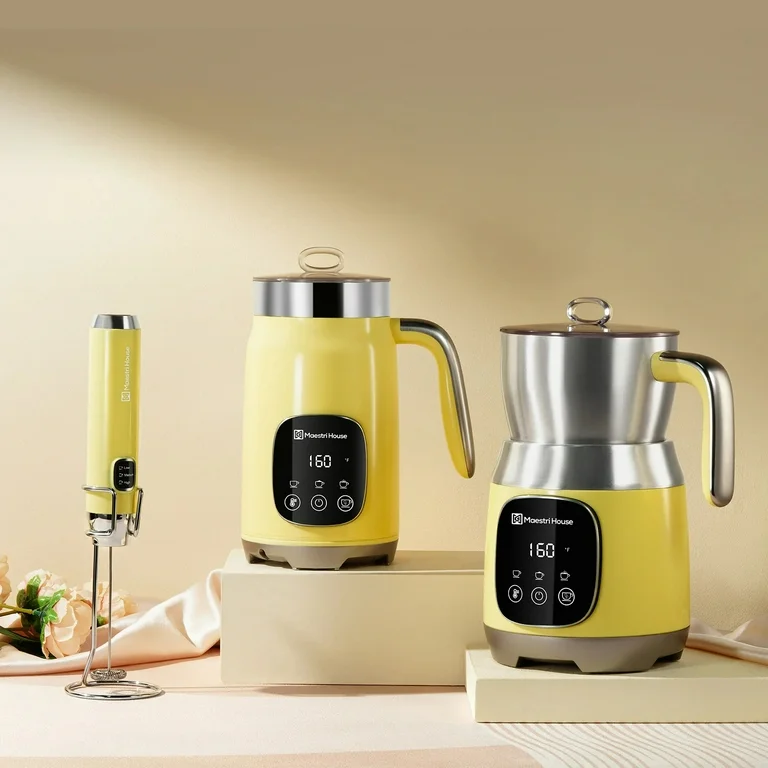
Why should you consider adding one to your kitchen arsenal? Beyond the sheer joy of replicating your favorite coffee shop drinks, a milk frother offers unparalleled control over your beverage experience. You can customize the foam’s thickness and temperature, experiment with different milk types, and truly make each cup your own. Plus, let’s be honest, saving a few dollars a day on store-bought lattes adds up!
Decoding the World of Milk Frothers: Types and How They Work
The market is brimming with various milk frothers, each offering a unique way to achieve that perfect foam. Understanding the different types is key to choosing the right one for your coffee ritual. Regardless of the mechanism, all milk frothers fundamentally work by incorporating air into milk, causing the proteins to denature and trap air bubbles, leading to an increase in volume and a change in texture.
Manual Milk Frothers: The Classic Approach
Think of a manual milk frother as a modernized French press for milk. It typically consists of a carafe with a lid, to which a plunger with a fine mesh screen is attached. To use it, you heat your milk separately (either on the stovetop or in a microwave), pour it into the carafe, and then vigorously pump the plunger up and down. This action forces air through the milk, creating foam in about 30 to 60 seconds.
Pros: Inexpensive, compact, requires no electricity, offers a good level of control over foam consistency.
Cons: Requires manual effort, doesn’t heat the milk itself, might not produce the finest microfoam.
Handheld Electric Milk Frothers: Quick and Convenient
These are small, battery-operated wands with a propeller-style whisk at the end. They’re incredibly simple to use: you simply immerse the whisk into your warmed milk (or even cold milk for cold foam) and press a button. The whisk spins rapidly, creating a vortex that injects air into the liquid. You move the wand up and down until your milk reaches the desired frothy consistency.
Pros: Very affordable, portable, easy to store, quick frothing for single servings.
Cons: Doesn’t heat milk, results can be less consistent than automatic models, best for small quantities.
Automatic Electric Milk Frothers: The Smart Choice
Automatic electric frothers are countertop devices that truly offer a hands-off experience. They typically feature a self-contained jug or carafe with an internal frothing disk and an electric heating element. With the press of a button, these machines will both heat and froth your milk to perfection. Many come with multiple settings for different foam textures (e.g., latte or cappuccino) and can even make cold foam. Some advanced models use induction heating for rapid and consistent results.
Pros: Heats and froths automatically, consistent results, can make various foam types (hot/cold, thick/thin), often have larger capacities.
Cons: More expensive, takes up counter space, cleaning can be more involved.
Steam Wands: For the Aspiring Barista
Found on most espresso machines, steam wands utilize pressurized steam to simultaneously heat and aerate milk. This method is often preferred by professional baristas because it allows for the creation of velvety microfoam, which is essential for latte art. The technique involves positioning the wand just below the milk’s surface to introduce air, then submerging it to incorporate the air and heat the milk to the desired temperature.
Pros: Produces the highest quality microfoam for latte art, versatile for heating and frothing.
Cons: Requires an espresso machine, a learning curve to master the technique, cleaning after each use is crucial.
Mastering the Art of Foam: How to Use Your Milk Frother
Getting that perfect frothy top isn’t magic; it’s a combination of good technique and understanding your equipment.
Preparing Your Milk for Perfection
The journey to perfect froth begins with the right milk. Baristas often swear by cold, fresh milk as it allows for better aeration and a longer frothing window. While whole dairy milk typically produces the richest, creamiest foam due to its fat and protein content, many non-dairy alternatives like oat, almond, and soy milk can also froth beautifully. “Don’t be afraid to experiment with different brands of plant-based milks,” advises Oliver ‘Ollie’ Hayes, a seasoned coffee expert from The Daily Grind Roastery. “Formulations vary, and you’ll find some froth much better than others.”
Frothing Techniques for Each Type
Using a Handheld or Manual Frother
For handheld and manual frothers, your milk should be pre-heated to around 140-155°F (60-68°C) if you want hot foam. Then, immerse the whisk (for handheld) or plunger (for manual) just below the surface of the milk. For handheld, turn it on and move it gently up and down, creating a vortex. For manual, pump vigorously until the milk doubles in volume and reaches your desired consistency.
Operating an Automatic Frother
Automatic frothers are incredibly user-friendly. Simply pour your cold milk up to the designated fill line, select your desired setting (e.g., hot foam, cold foam, latte, cappuccino), and press the start button. The machine will do the rest, automatically heating and frothing your milk. Many will shut off when the process is complete.
Harnessing the Power of a Steam Wand
This technique requires a bit more practice but yields exceptional results.
- Purge the wand: Briefly turn on the steam to clear any condensed water.
- Position the wand: Insert the tip just below the surface of cold milk in a stainless steel pitcher. Angle the pitcher slightly to encourage a whirlpool effect.
- Introduce air (stretching): Turn the steam on full power. You should hear a soft “chirping” or “tearing paper” sound as air is incorporated. Keep the tip just at the surface, allowing the milk to expand. This is where you create the volume. For a latte, aim for less air; for a cappuccino, add more.
- Heat the milk (texturing): As the milk expands, lower the pitcher slightly, submerging the wand tip deeper into the milk. This creates a vortex that incorporates the air throughout, breaking down larger bubbles and creating a silky-smooth microfoam. Continue until the pitcher is warm to the touch (around 140-155°F / 60-68°C).
- Clean the wand: Immediately turn off the steam, remove the pitcher, and wipe the wand clean with a damp cloth. Briefly purge it again to clear any milk residue.
Crafting the Perfect Foam: Barista Secrets Revealed
Achieving that perfect, glossy microfoam every time comes down to a few key insights.
The Best Milk for Frothing
While whole dairy milk is often lauded for its frothing capabilities, providing a rich and stable foam, don’t shy away from alternatives. Skim milk creates more voluminous, airy foam, while 2% or low-fat milk offers a good balance. For non-dairy options, look for “barista blend” versions of oat, almond, or soy milk, as these are specifically formulated to froth well and hold their texture. Always use milk straight from the refrigerator, as colder milk gives you more time to work with before it gets too hot.
Achieving the Ideal Temperature
The sweet spot for frothed milk is typically between 140-155°F (60-68°C). If the milk gets too hot (above 160°F or 70°C), it can scald, losing its sweetness and developing an unpleasant taste, and the foam structure will break down. If you’re using a steam wand, the pitcher will become almost too hot to touch. For automatic frothers, trust their built-in temperature controls.
Tapping, Swirling, and Pouring Like a Pro
Once your milk is frothed, don’t just pour it immediately!
- Tap the pitcher: Gently tap the base of your pitcher (or frother carafe) firmly on the countertop a few times. This helps to break up any larger, undesirable air bubbles, leaving you with a more uniform, silky texture.
- Swirl the milk: Gently swirl the frothed milk in the pitcher. This integrates the foam evenly throughout the liquid, giving you that desirable “wet paint” consistency perfect for pouring.
- Pour and enjoy: When pouring into your espresso, start with the pitcher held high to allow the denser milk to flow underneath the crema. As the cup fills, bring the pitcher closer to the surface to release the foam for latte art or a thick cap. Don’t wait too long to pour, as the foam will begin to separate.
Choosing Your Perfect Companion: A Milk Frother Buying Guide
With so many options, picking the right milk frother can feel overwhelming. Here’s what to consider:
What to Look For: Key Features
- Type: Manual for budget and portability, handheld for occasional use, automatic for convenience, steam wand if you have an espresso machine and love latte art.
- Capacity: Consider how many drinks you typically make at once. Single-serving handhelds are fine for one, while larger automatic frothers can handle multiple servings.
- Heat Settings: Do you want hot foam, cold foam, or both? Many automatic models offer versatility.
- Frothing Speed: Electric models are generally faster than manual ones.
- Ease of Cleaning: Look for non-stick interiors, removable parts, or dishwasher-safe components for hassle-free maintenance.
- Durability: Stainless steel construction often indicates a more robust and longer-lasting product.
- Whisk Attachments: Some automatic frothers come with different whisks for varying foam consistencies (e.g., a “latte disk” for fine foam and a “cappuccino disk” for thicker foam).
Popular Milk Frother Models and Brands
Brands like Nespresso (Aeroccino series), Breville (Milk Cafe Electric Frother), Instant Pot (MagicFroth), and Capresso (Froth Max) are often highlighted for their quality and performance. The Nespresso Aeroccino, for example, is lauded for its ability to quickly produce both hot and cold foam, making it a favorite for many. Breville’s Milk Cafe often receives praise for its custom temperature dial and different whisk attachments for precise foam control. For those on a budget, Instant Pot’s MagicFroth offers a great balance of features and affordability, often including multiple heat and foam settings.
Keeping It Pristine: Maintenance and Cleaning Tips
Regular cleaning is paramount for your milk frother’s longevity and to ensure hygienic operation. Milk residue can quickly spoil and build up, affecting performance and taste.
- Immediately after use: For steam wands, wipe down the wand with a damp cloth and purge it immediately. For other frothers, rinse the carafe or whisk with warm water.
- Deep cleaning: For automatic frothers, disassemble any removable parts and wash them with warm, soapy water. Many carafes have non-stick coatings, so avoid abrasive scrubbers. Ensure all components are thoroughly dry before reassembling.
- Handheld frothers: Simply rinse the whisk head under running water and occasionally wipe the handle.
- Manual frothers: Disassemble the plunger and mesh, wash all parts with soap and water, similar to cleaning a French press.
Frequently Asked Questions About Milk Frothers
What kind of milk is best for frothing?
Whole dairy milk generally froths best, creating rich, stable foam. However, cold, fresh milk (dairy or barista-blend non-dairy like oat, almond, or soy) will yield good results.
Can I make cold foam with a milk frother?
Yes! Many automatic electric milk frothers have a dedicated cold foam setting. Handheld frothers can also create cold foam by aerating cold milk.
How do I clean my milk frother?
It’s crucial to clean your milk frother immediately after each use. Rinse parts with warm water and soap, and wipe down steam wands. Refer to your specific model’s instructions for detailed cleaning guidelines, especially for automatic frothers with non-stick coatings.
What’s the difference between frothed milk and steamed milk?
“Steamed milk” refers to milk that has been heated with steam, typically from an espresso machine. “Frothed milk” is steamed milk that has had air incorporated into it to create foam. Often, the terms are used interchangeably, but truly frothed milk emphasizes the airy, textural component.
Is a milk frother worth it?
Absolutely! If you enjoy milky coffee drinks, hot chocolate, or even iced beverages with cold foam, a milk frother allows you to create cafe-quality drinks at home, saving you money and giving you creative control over your beverages.
Can I use a milk frother for things other than coffee?
Yes! Milk frothers are fantastic for making creamy hot chocolate, matcha lattes, chai lattes, and even mixing protein powders into drinks. Some people use handheld frothers to whisk eggs for omelets or to emulsify dressings.
The Final Swirl: Your Journey to Perfect Froth
Stepping into the world of milk frothers is an exciting way to upgrade your daily coffee ritual. Whether you opt for the simplicity of a handheld whisk, the convenience of an automatic model, or the artisan skill required by a steam wand, the ability to create velvety, luscious foam at home is truly transformative. It’s more than just a gadget; it’s an invitation to experiment, to savor, and to share truly delightful drinks. So, go on, get frothing, and discover the joy of being your own home barista!