Transforming your daily coffee ritual into a café-quality experience at home often hinges on one crucial element: perfectly textured milk. Whether you crave the airy cloud atop a cappuccino or the silky microfoam for delicate latte art, understanding the world of the Milk Steamer And Frother is your golden ticket. For any home barista looking to elevate their game, these versatile tools are indispensable, offering a gateway to a richer, more enjoyable coffee journey. Let’s dive deep into the technology, techniques, and top picks to help you create your dream cup, every single time.
What is a Milk Steamer and Frother, and Why Do You Need One?
At its core, a milk frother is designed to aerate milk, injecting air to create a delightful foam. A milk steamer, on the other hand, primarily heats milk using steam, simultaneously creating a smooth, dense texture. While distinct in their primary mechanism, many modern appliances labeled as “milk frothers” actually combine both heating and frothing capabilities, acting as a true milk steamer and frother hybrid.
Why do you need one? Simple: it unlocks a universe of delicious coffee and non-coffee beverages. From classic lattes and cappuccinos to indulgent hot chocolates, matcha lattes, and refreshing cold foam cold brews, a dedicated milk texturizing device ensures consistency, perfect temperature, and that professional touch that makes all the difference. Say goodbye to sad, flat milk and hello to luscious, creamy goodness.
Understanding the Difference: Frother vs. Steamer
The terms “frother” and “steamer” are often used interchangeably, but there’s a nuanced difference in their traditional roles and the milk texture they produce. Knowing this distinction helps you choose the right tool for your favorite drinks.
- Milk Frother: Traditionally, a milk frother focuses on introducing air into milk to create foam. This typically results in a lighter, airier foam with larger, more distinct bubbles, often referred to as macrofoam. These devices are excellent for creating the substantial foamy layer desired in a classic cappuccino or for crafting trendy cold foam toppings. Types range from simple handheld wands to manual pump devices and electric models that can froth both hot and cold milk.
- Milk Steamer: A milk steamer, most commonly found integrated into espresso machines as a steam wand, uses pressurized steam to both heat the milk and create a finer, more integrated foam. This process results in microfoam—a dense, silky, velvety texture with very small, uniform bubbles that blend seamlessly with espresso. This is the gold standard for lattes, flat whites, and for pouring intricate latte art. Steamers heat the milk to a precise temperature, enhancing its sweetness and creaminess.
Many electric countertop devices blur these lines, offering settings for different foam textures and temperatures, effectively functioning as a comprehensive milk steamer and frother in one convenient unit. They combine the aeration of a frother with the heating power often associated with a steamer.
Types of Milk Steamers and Frothers: Finding Your Perfect Match
The market offers a diverse range of milk steamer and frother options, each with its own set of advantages. Your perfect match depends on your budget, desired convenience, and the type of drinks you love to make.
Handheld Milk Frothers
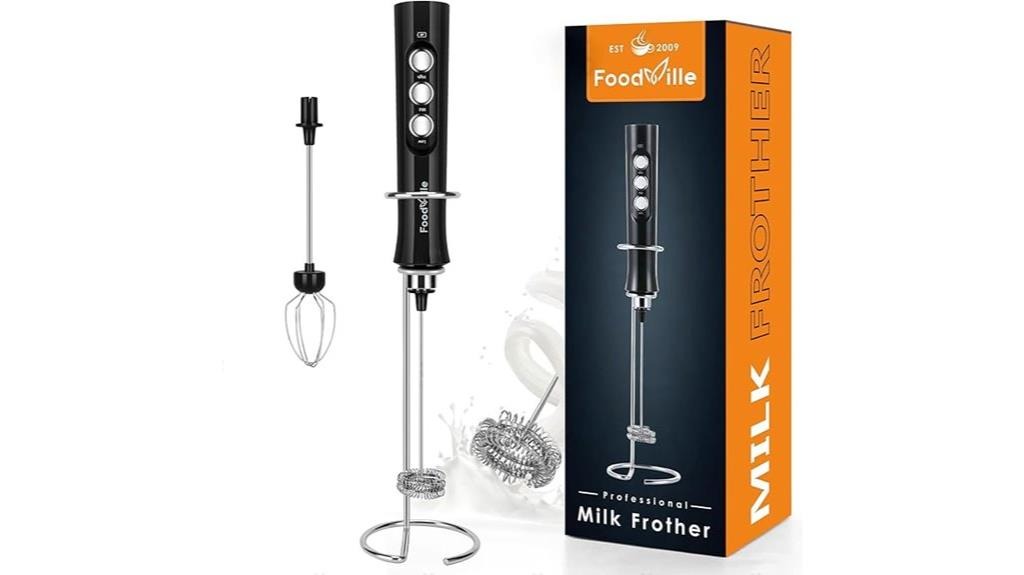
These compact, battery-operated wands are perhaps the simplest entry point into the world of frothed milk. They feature a small whisk at the end that spins rapidly to aerate milk.
- Pros: Highly portable, extremely affordable, easy to clean, and great for quick foam on the go or for cold foam.
- Cons: Don’t heat milk (you’ll need to warm milk separately), require manual operation for the best texture, typically produce macrofoam.
- Ideal For: Budget-conscious users, travelers, those who primarily want cold foam or prefer to heat their milk on the stovetop.
“Handheld frothers are fantastic for their sheer convenience,” says Sarah Miller, a seasoned barista and coffee consultant. “They might not give you pro-level microfoam, but for a quick, airy froth for your morning coffee, they’re unbeatable.”
Electric (Automatic) Milk Frothers
These countertop appliances are the go-to for many home baristas, offering a balance of convenience and versatility. They typically come with a carafe and an integrated whisk, heating and frothing milk at the touch of a button.
- Pros: Heat and froth automatically, often offer multiple settings for hot foam, cold foam, and heated milk, consistent results, easy to use.
- Cons: Can be pricier than handheld models, take up counter space.
- Ideal For: Those seeking effortless, consistent foam, hot or cold, without the learning curve of a steam wand.
When considering an electric model, look for features like non-stick interiors for easy cleaning, multiple temperature and foam settings, and quiet operation. A good electric milk steamer and frother can truly elevate your daily coffee game.
|
Our Picks for the Best Milk Frother in 2026
As an Amazon Associate I earn from qualifying purchases.
|
||
| Num | Product | Action |
|---|---|---|
| 1 | Zulay Kitchen Powerful Milk Frother Wand With 4 AA Duracell Batteries - Ultra Fast Handheld Drink Mixer - Electric Whisk Foam Maker for Coffee, Lattes, Cappuccino, Matcha & Creamer |

|
| 2 | Zulay Kitchen Powerful Milk Frother Wand With 2 Duracell Batteries - Ultra Fast Handheld Drink Mixer - Electric Whisk Foam Maker for Coffee, Lattes, Cappuccino, Matcha, Hot Chocolate & Creamer - Black |
|
| 3 | Zulay Kitchen Handheld Milk Frother with Duracell AA Batteries – Ultra Fast Electric Mixer & Foam Maker, Easy-Clean Drink Mixer for Coffee & More |
|
| 4 | Harmony Leaf Handheld Milk Frother, Stainless Steel Electric Drink Mixer with Stand, Battery Operated Coffee Frother for Lattes, Matcha, Hot Chocolate and More, Black |
|
| 5 | Instant Pot Milk Frother, 4-in-1 Electric Milk Steamer, 10oz/295ml Automatic Hot and Cold Foam Maker and Milk Warmer for Latte, Cappuccinos, Macchiato, From the Makers of Instant 500W, Black |
|
| 6 | CIRCLE JOY Rechargeable Milk Frother Hanheld, Dual Coil Whisk Head Electric Coffee Frother, Portable Hand Frother Wand Drink Mixer for Matcha Lattes Cappuccino, Kitchen Gifts, Black |
|
| 7 | Nespresso Aeroccino 3 Milk Frother, Black, Steel |
|
| 8 | Milk Frother, 4 in 1 Electric Milk Steamer, Hot and Cold Foam Maker, 1 min Fast Frothing, 11.8 oz/350 mL Milk Warmer, Frother for Latte, Cappuccino, Temperature Control, Auto Shut-Off |
|
| 9 | Milk Frother and Steamer, COLDFILL 8-in-1 Electric Frother for Coffee, 400ml Large Capacity Detachable Milk Steamer, Automatic Warm and Cold Foam Maker, Quiet, Dishwasher Safe, Easy to Clean |
|
| 10 | INFOOD Milk Frother Rechargeable with Cover - Coffee Frother Wand, Drink Mixer Handheld with 2 Detachable Stainless Whisks 2 Speed Adjustable for Latte, Cappuccino, Hot Chocolate, Egg, Silver |
|
Manual Milk Frothers (Pump/French Press Style)
Manual pump frothers usually consist of a pitcher with a plunger that has a fine mesh screen. You manually pump the plunger up and down to aerate the milk. French press coffee makers can also double as manual frothers.
- Pros: Excellent control over foam texture with practice, relatively inexpensive, no electricity needed.
- Cons: Requires manual effort, needs separate milk heating, can be more time-consuming.
- Ideal For: Those who enjoy a hands-on approach and desire more control over their foam, or as a budget-friendly alternative.
Steam Wands (Espresso Machine Integrated)
Found on most espresso machines, a steam wand is the professional’s choice for achieving true microfoam. It uses high-pressure steam directly from the machine’s boiler.
- Pros: Produces the finest, silkiest microfoam perfect for latte art, offers precise temperature control, heats and textures simultaneously.
- Cons: Requires significant skill and practice, part of a more expensive espresso machine, more effort to clean.
- Ideal For: Serious coffee enthusiasts and aspiring baristas dedicated to mastering latte art and café-quality drinks.
Your Guide to Perfect Foam: How to Use a Milk Steamer and Frother
Regardless of the type of milk steamer and frother you choose, a few universal tips will set you up for success.
General Tips for All Types:
- Start with Cold Milk: Cold milk (straight from the fridge) generally froths better and gives you more time to work with it before it gets too hot.
- Don’t Overfill: Leave enough room for the milk to expand as it froths. Overfilling can lead to spills and less effective foam.
- Dairy vs. Non-Dairy: While whole milk typically yields the richest, most stable foam due to its fat content, many non-dairy alternatives (especially oat and almond milk “barista blends”) froth exceptionally well. Experiment to find your favorite.
Using a Handheld Frother:
- Heat Your Milk: Warm your milk in a mug in the microwave or on the stovetop to your desired temperature (around 130-140°F or 55-60°C).
- Submerge and Swirl: Place the whisk end just below the surface of the milk.
- Aerate: Turn the frother on and slowly move it up and down, keeping the whisk near the surface to incorporate air. As the foam builds, gradually move the whisk deeper to integrate the foam with the warm milk.
- Finish: Froth for about 30-60 seconds until you reach your desired foam consistency.
Operating an Electric Frother:
- Fill Milk: Pour cold milk into the carafe, usually up to a clearly marked “max fill” line.
- Select Setting: Choose your desired setting (e.g., hot dense foam, warm light foam, cold foam, or simply heated milk).
- Press and Wait: Press the button and let the machine do its magic. Most will automatically shut off when done.
Mastering the Steam Wand:
Using an espresso machine’s steam wand takes practice, but the results are unparalleled.
- Prepare Milk: Fill a cold stainless steel milk pitcher with cold milk (typically up to the bottom of the spout).
- Purge the Wand: Briefly open the steam valve to clear any condensed water from the wand.
- Aeration (Stretching): Submerge the tip of the steam wand just below the surface of the milk, tilting the pitcher slightly. Open the steam valve fully. You should hear a gentle “tearing paper” sound as air is introduced. Keep the tip here until the milk expands and warms slightly (about 5-10 seconds, or until the pitcher feels lukewarm).
- Texturing (Integrating): Lower the wand deeper into the milk, creating a vortex or “whirlpool” effect. This integrates the air bubbles into a uniform microfoam. Continue heating until the pitcher is almost too hot to touch (around 130-140°F or 55-60°C).
- Stop & Clean: Turn off the steam, remove the pitcher, and immediately wipe the steam wand clean with a damp cloth. Purge the wand again to clear any milk residue.
- Swirl & Tap: Gently swirl the textured milk in the pitcher and tap it lightly on the counter to remove any large bubbles and achieve a glossy, paint-like consistency ready for pouring.
The Art of Milk: Achieving Perfect Foam Texture
The texture of your milk can completely change your drink experience. Understanding the difference between macrofoam and microfoam is key.
- Macrofoam for Cappuccinos: This is the traditional, airy, billowy foam with larger bubbles that sits proudly atop your drink. Handheld frothers and many electric frothers excel at this. To achieve it, focus on keeping the frother’s whisk closer to the surface during aeration to incorporate more air.
- Microfoam for Lattes and Latte Art: This is the smooth, velvety, glossy milk that seamlessly blends with espresso, creating the perfect canvas for latte art. It has tiny, almost imperceptible bubbles. Steam wands are designed for this, but some advanced electric frothers can also produce excellent microfoam. The key is controlled aeration followed by thorough integration of the air into the milk.
- Non-Dairy Milks: Many plant-based milks, especially oat milk and almond milk, can produce beautiful foam. Look for “barista blend” versions, which are formulated to froth better due to adjusted fat and protein content. They tend to create a slightly different texture than dairy milk, but can still be smooth and delicious.
Maintenance and Cleaning: Keeping Your Frother Pristine
Regular cleaning is vital for both hygiene and the longevity of your milk steamer and frother.
- Steam Wands: This is the most critical to clean immediately. After each use, wipe the wand thoroughly with a damp cloth and purge steam to clear any milk from the nozzle. Milk left to dry can clog the wand and become a breeding ground for bacteria.
- Electric Frothers: Many electric frothers have non-stick interiors or removable, dishwasher-safe components. For those that don’t, wash the carafe with warm, soapy water and a non-abrasive sponge after each use. Avoid submerging electrical bases.
- Handheld Frothers: A quick rinse under warm water is usually sufficient for the whisk head. For a deeper clean, occasionally whisk in a glass of soapy water, then rinse.
Choosing Your Ideal Milk Steamer and Frother: Key Considerations
With so many options, how do you pick the right milk steamer and frother? Consider these factors:
- Budget: Handheld frothers are the most affordable, followed by electric models, and then steam wands (as part of an espresso machine).
- Skill Level: Electric frothers are largely automated and beginner-friendly. Steam wands require practice and skill.
- Types of Drinks: Are you a cappuccino lover needing thick foam, or a latte art enthusiast requiring microfoam?
- Desired Foam Texture: Do you prefer airy macrofoam or silky microfoam?
- Convenience vs. Control: Do you want a one-touch experience or hands-on control?
- Capacity: How much milk do you need to froth at once? Consider single-serve or larger capacity models for multiple drinks.
- Cleaning Ease: Some models are much easier to clean than others.
- Space: Countertop models require dedicated space, while handhelds are easily storable.
Frequently Asked Questions (FAQ)
Q: Can a milk frother really steam milk?
A: While traditional handheld frothers only aerate milk, many electric frothers are designed to both heat and froth, effectively acting as a milk steamer and frother in one. They heat the milk while whisking it to create warm foam, mimicking the steaming process to some extent, though often producing a slightly different texture than a high-pressure steam wand.
Q: What’s the best milk for frothing?
A: Whole dairy milk often yields the richest, most stable foam. However, 2% milk also performs well. For non-dairy options, oat milk (especially barista blends) is a popular choice for its creamy texture and frothing capabilities, followed by almond milk barista blends. The key is often higher fat and protein content.
Q: How do I make cold foam?
A: To make cold foam, use cold milk straight from the fridge. Many electric frothers have a specific “cold foam” setting. With a handheld frother, simply whisk cold milk until it reaches a desired airy, frothy consistency. Cold foam is perfect for iced coffees, cold brews, and other chilled beverages.
Q: How often should I clean my milk frother/steamer?
A: It’s best to clean your milk steamer and frother immediately after each use. Milk residue can dry quickly, become difficult to remove, and harbor bacteria. A quick wipe and rinse after every session will keep your device hygienic and performing optimally.
Q: Is a standalone milk frother worth it if I have an espresso machine?
A: It depends on your needs. If your espresso machine has a steam wand and you’ve mastered it for microfoam, a standalone frother might be redundant for hot drinks. However, a standalone electric frother with a cold foam setting is a fantastic addition if your espresso machine doesn’t offer this, providing versatility for iced beverages.
Conclusion
The journey to perfect coffee at home is an exciting one, and a quality milk steamer and frother is an essential companion. Whether you opt for the simple elegance of a handheld whisk, the convenient automation of an electric model, or the professional mastery of a steam wand, you’re investing in an enhanced sensory experience. Experiment with different milks, temperatures, and techniques, and don’t be afraid to get creative. With the right tools and a little practice, you’ll be crafting luscious, café-worthy beverages that delight your taste buds and impress your guests, one delicious cup at a time.