Are you dreaming of velvety lattes, airy cappuccinos, or delightful cold foam creations right in your own kitchen? For many coffee enthusiasts, the idea of crafting barista-quality beverages at home often feels like a distant fantasy, requiring bulky, expensive equipment. But what if there was a compact solution that could transform your daily coffee ritual without taking over your countertop? Enter the Small Milk Frother, a game-changer for anyone looking to elevate their home brewing experience. These mini powerhouses are designed to give you that perfect, creamy texture with minimal fuss and maximum impact.
What is a Small Milk Frother and Why Do You Need One?
At its heart, a milk frother is a device engineered to aerate milk, transforming it into a luxurious, bubbly foam. While larger, professional machines can be intimidating, a small milk frother offers a convenient and accessible way to achieve similar results. Think of it as your personal barista assistant, always ready to whip up that luscious texture.
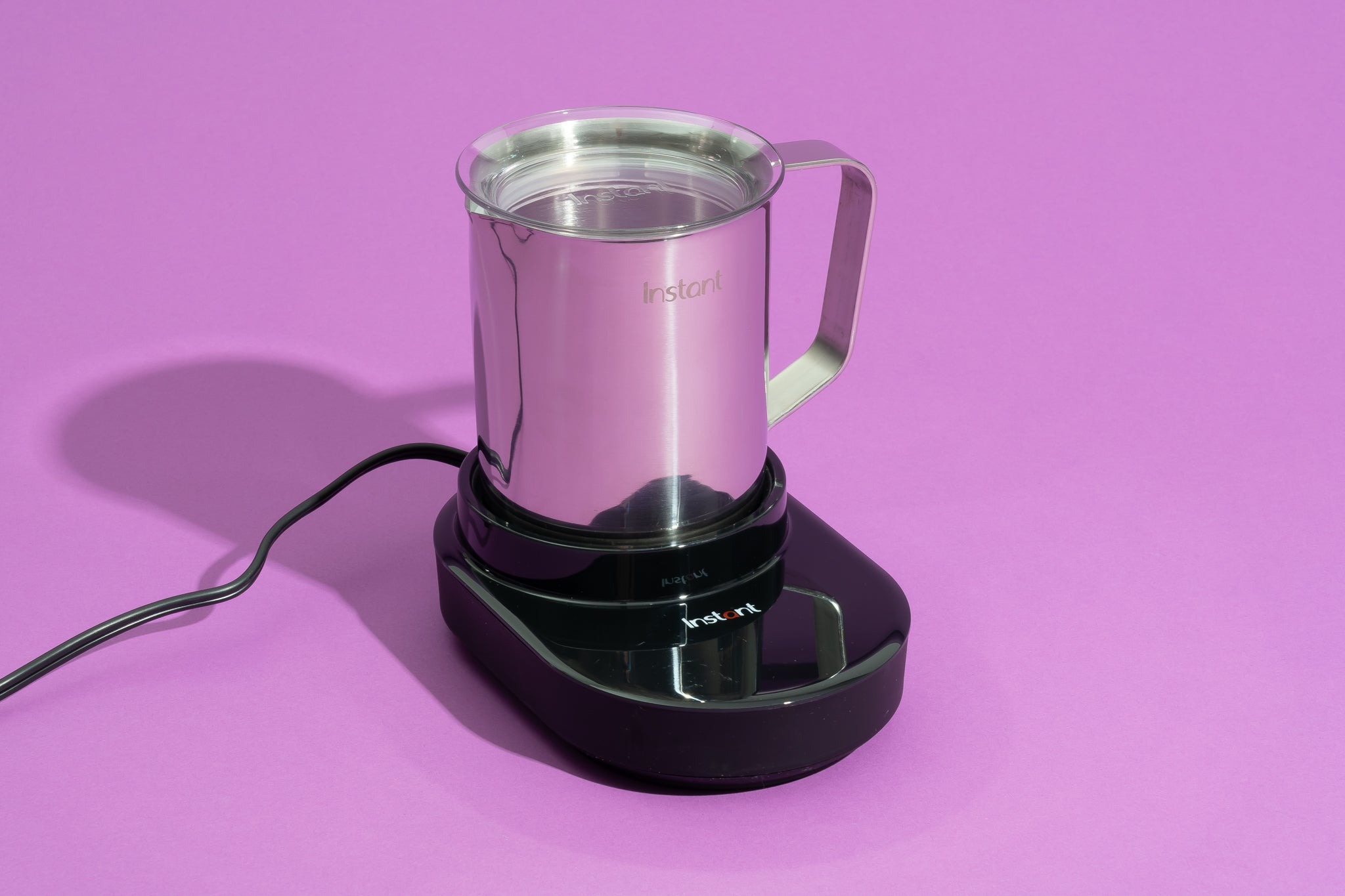
Why is a small milk frother an absolute must-have?
- Space-Saving Design: Perfect for compact kitchens, dorm rooms, or even your office desk, these frothers are designed with efficiency in mind. They tuck away easily, keeping your space clutter-free.
- Unleash Your Inner Barista: No need for expensive coffee shop runs. With a small milk frother, you can experiment with lattes, cappuccinos, macchiatos, and even trendy cold foam drinks right at home.
- Cost-Effective Indulgence: Investing in a small frother is significantly cheaper than a full espresso machine, yet it opens up a world of milk-based drinks. You’ll save money in the long run by making your favorite beverages yourself.
- Versatility: From dairy to plant-based milks, hot foam to refreshing cold foam, a good small milk frother handles a variety of preferences, catering to every craving.
- Simplicity and Speed: Most small frothers are incredibly easy to use, delivering perfect foam in seconds, making your morning routine quicker and more enjoyable.
Popular Types of Small Milk Frothers
The world of small milk frothers is surprisingly diverse, offering a range of options to suit different needs and preferences. Each type has its unique charm and functionality.
1. Handheld Electric Frothers (Wands)
These are perhaps the most recognizable type of small milk frother. Resembling a mini immersion blender, these battery-operated wands are incredibly portable and take up virtually no counter space. They feature a whisking head that rapidly spins to create foam.
- Pros: Highly portable, extremely compact, affordable, quick frothing.
- Cons: Don’t heat milk (you’ll need to warm milk separately), manual effort required to move the wand, generally produce “macrofoam” (larger bubbles) rather than silky “microfoam.”
- Best for: Occasional use, travel, creating a quick foam topping for hot or cold drinks. Popular choices include the Zulay Kitchen Milk Boss and PowerLix handheld frothers.
2. Compact Automatic Electric Frothers (Jugs)
These countertop units are self-contained jugs that both heat and froth milk with the touch of a button. They are a step up in convenience, offering hands-free operation and often multiple settings for different foam textures and temperatures.
- Pros: Heats and froths automatically, produces consistent foam, often has settings for hot, warm, and cold foam, creates finer microfoam.
- Cons: More expensive than handhelds, takes up a bit more counter space, capacity is usually limited.
- Best for: Daily users who want convenience, specific foam textures, and heated milk for lattes and cappuccinos. The Nespresso Aeroccino series and Instant Pot MagicFroth are prime examples of excellent small milk frother options in this category.
3. Manual Pump Frothers (French-Press Style)
For those who enjoy a more hands-on approach and complete control, manual pump frothers are an excellent choice. These devices typically consist of a carafe and a plunger with a mesh screen. You pump the plunger up and down to aerate the milk.
- Pros: No electricity needed (great for camping or off-grid), precise control over foam texture, generally durable and easy to clean.
- Cons: Requires manual effort, doesn’t heat milk, can be tedious for multiple servings.
- Best for: Enthusiasts who want a tactile experience and are mindful of electricity use. The Bodum Latteo is a well-known model.
Choosing Your Perfect Small Milk Frother: Key Features
With so many options, how do you pick the small milk frother that’s just right for you? Consider these key features:
- Capacity: Most small frothers handle between 3 to 8 ounces of milk. If you typically make single servings, a smaller capacity is fine. For preparing multiple drinks or larger lattes, opt for something closer to the 8-ounce mark.
- Heating Function: Decide if you want a frother that can both heat and froth (like automatic electric models) or if you’re happy to heat your milk separately (common with handheld and manual frothers).
- Foam Settings: Do you crave light, airy foam for cappuccinos, dense, velvety microfoam for lattes, or refreshing cold foam for iced beverages? Automatic frothers often offer multiple settings to achieve these different textures.
- Material & Durability: Stainless steel construction is often preferred for its durability and ease of cleaning. Consider non-stick interiors for automatic models to prevent milk from burning and sticking.
- Power Source: Handhelds typically run on AA batteries or are rechargeable via USB, offering ultimate portability. Automatic frothers are usually corded and need an outlet.
Mastering Your Small Milk Frother: A Step-by-Step Guide
Getting that perfect froth isn’t just about the frother; it’s also about technique. Here’s how to master your small milk frother for heavenly results every time.
1. Preparing Your Milk
- Temperature: If using a handheld or manual frother, you’ll need to heat your milk first. Aim for a temperature between 130°F to 150°F (55°C to 65°C) – hot but not boiling. Automatic frothers will handle heating for you. For cold foam, start with chilled milk.
- Type of Milk: Whole milk generally froths best due to its fat content, creating a rich, stable foam. Skim milk can produce a lighter, airier foam. Plant-based milks (oat, almond, soy) can vary widely; look for “barista blend” versions specifically designed for frothing.
- Fill Level: Never overfill your frother. Milk expands significantly when frothed, so fill your container only about one-third to halfway, leaving ample room for the foam to grow.
2. Frothing Technique
- Handheld Frother:
- Pour your heated (or cold) milk into a tall, narrow mug or pitcher.
- Submerge the whisk head of your small milk frother just below the surface of the milk.
- Turn on the frother and gently move it up and down, making sure to introduce air into the milk. Create a slight vortex for even aeration.
- Froth for about 20-45 seconds, or until the milk has doubled in volume and reached your desired consistency.
- Automatic Frother:
- Pour milk up to the designated fill line.
- Select your desired setting (e.g., hot dense foam, cold foam).
- Press the start button and let the frother do its magic. It will automatically heat and froth the milk, then usually shut off when ready.
3. Achieving Different Foams
- For Lattes (Silky Microfoam): Aim for milk that is creamy and well-integrated with tiny bubbles, almost like wet paint. With handhelds, keep the whisk slightly deeper in the milk. Automatic frothers often have a “latte” or “light foam” setting.
- For Cappuccinos (Thick Foam): You want a more voluminous, stable foam that sits proudly on top of your drink. For handhelds, keep the whisk closer to the surface to incorporate more air. Automatic frothers usually have a “cappuccino” or “thick foam” setting.
- For Cold Foam: Use chilled milk and froth it vigorously with a handheld frother, or use the cold foam setting on an automatic model. This is perfect for iced coffees and cold brews.
“The secret to exceptional home coffee isn’t just the beans, it’s the texture of your milk. A quality small milk frother allows you to sculpt that texture, turning a simple drink into a delightful experience.” – Sophia Lee, Master Barista and Coffee Consultant
Maintaining Your Small Milk Frother: Cleaning and Care
Proper cleaning and maintenance are crucial for the longevity and performance of your small milk frother. Dried milk residue can quickly become stubborn and affect the frother’s efficiency and hygiene.
1. Immediate Rinse: The Golden Rule
The most important rule: rinse your frother immediately after every use.
- Handheld Wands: Simply rinse the whisk head under warm running water for a few seconds, turning it on briefly to dislodge any milk. Wipe the handle with a damp cloth, ensuring no water enters the battery compartment.
- Automatic & Manual Frothers: Disassemble any removable parts (lid, whisk, jug/carafe) and rinse them thoroughly with warm water to prevent milk from drying.
2. Deep Cleaning
- Handheld Wands: Once a week, soak the whisk head in a solution of warm water and a few drops of dish soap. You can also run it in a glass of soapy water for a deeper clean. Use a soft brush or toothpick to clean around the coils.
- Automatic Frothers: Wash removable parts (jug, lid, whisk) with warm, soapy water and a soft sponge. For the main base, wipe it with a damp cloth, ensuring it never gets submerged.
- Manual Frothers: Disassemble all parts and wash them thoroughly with warm, soapy water. Pay close attention to the mesh plunger, as milk can get trapped there.
3. Dealing with Stubborn Residue
If milk residue hardens, don’t despair!
- Vinegar Solution: For most parts, soak them in a mixture of equal parts white vinegar and warm water for 15-20 minutes. This helps break down milk proteins.
- Baking Soda Paste: For stubborn spots or burnt milk, make a paste with baking soda and a little water. Apply it to the affected area and gently scrub with a non-abrasive sponge or soft brush.
- Descaling (for Automatic Frothers): If your automatic frother heats milk, mineral buildup from hard water can occur. Run a solution of one part white vinegar to three parts water through a heating cycle monthly to descale it. Always rinse thoroughly afterward.
4. Drying and Storage
Always ensure all parts of your small milk frother are completely dry before reassembling or storing. Moisture can lead to odors, mold growth, or damage to electronic components. Store your frother in a clean, dry place. Many handheld models come with a convenient stand.
Tips for Selecting the Right Small Milk Frother
Making the best choice for your kitchen involves a little self-reflection:
- Your Lifestyle: Are you a daily latte drinker, or do you occasionally enjoy a frothy treat? Are you frequently on the go and need a portable option?
- Budget: Handheld frothers are generally the most affordable, while automatic models are a larger investment.
- Preferred Drinks: If cold foam is a must, ensure your chosen small milk frother has that capability. If you want hot, perfectly textured milk for lattes, an automatic model with precise temperature control might be ideal.
- Kitchen Space: Objectively assess your counter and storage space. A handheld wand can slip into a drawer, whereas even a compact automatic model needs a dedicated spot.
Frequently Asked Questions (FAQ)
Q: What’s the difference between a small milk frother and a full-sized one?
A: The main difference lies in capacity and footprint. A small milk frother is designed for individual or smaller batch use, focusing on compactness and portability, making it ideal for home kitchens or travel. Full-sized frothers, often integrated into espresso machines or larger automatic units, typically handle larger volumes and might offer more advanced features for commercial settings.
Q: Can small milk frothers heat milk?
A: It depends on the type. Handheld and manual pump frothers typically do not heat milk; you’ll need to warm your milk separately before frothing. However, most compact automatic electric frothers are designed to both heat and froth milk, often with multiple temperature and foam settings.
Q: What kind of milk works best for frothing?
A: Whole milk generally produces the richest, most stable foam due to its fat content. Skim milk creates a lighter, airier foam. Many plant-based milks, especially oat and almond milks, can also be frothed successfully, particularly “barista blend” varieties formulated for this purpose. Experimentation is key to finding your favorite!
Q: How long does it take to froth milk with a small frother?
A: Most small milk frothers are incredibly fast. Handheld frothers can create foam in as little as 15-20 seconds for light froth, up to 30-45 seconds for a thicker consistency. Automatic frothers typically complete their cycle in 60-90 seconds, including heating.
Q: Are small milk frothers hard to clean?
A: Not at all, especially if cleaned immediately after use. Many handheld frothers only require a quick rinse of the whisk head. Automatic models usually have removable, dishwasher-safe parts or non-stick interiors that are easy to wipe clean. The key is to prevent milk from drying and hardening, which makes cleaning much simpler.
Conclusion
Embracing a small milk frother is more than just buying a new kitchen gadget; it’s about unlocking a world of coffee possibilities and transforming your home into your favorite café. From the convenience of a handheld wand to the consistent luxury of an automatic jug, there’s a compact frother out there waiting to elevate your daily ritual. By understanding the types, features, and mastering a few simple techniques, you’ll be crafting luscious, creamy beverages with confidence and ease. So go ahead, experiment with different milks and foam textures, and savor the simple joy of a perfectly frothed drink, made just the way you like it. Your coffee experience is about to get a whole lot smoother!