Imagine waking up to the rich aroma of freshly brewed coffee, topped with a cloud of velvety, creamy foam, all from the comfort of your kitchen. Sounds like a barista’s secret, right? Not anymore! With a Stovetop Milk Frother, that dream is a delightful reality. This classic, often overlooked tool is your ticket to elevating everyday beverages into luxurious café-style experiences, proving that you don’t need fancy, expensive equipment to achieve perfection.
What is a Stovetop Milk Frother and Why Do You Need One?
A stovetop milk frother is a manual device designed to heat and aerate milk directly on your kitchen hob, transforming it into rich, delicious foam for your coffee, hot chocolate, or tea. Unlike their electric counterparts, stovetop models often require a bit more hands-on action, but that’s precisely where their charm lies. They offer a unique blend of affordability, portability, and unparalleled control over your foam’s texture.
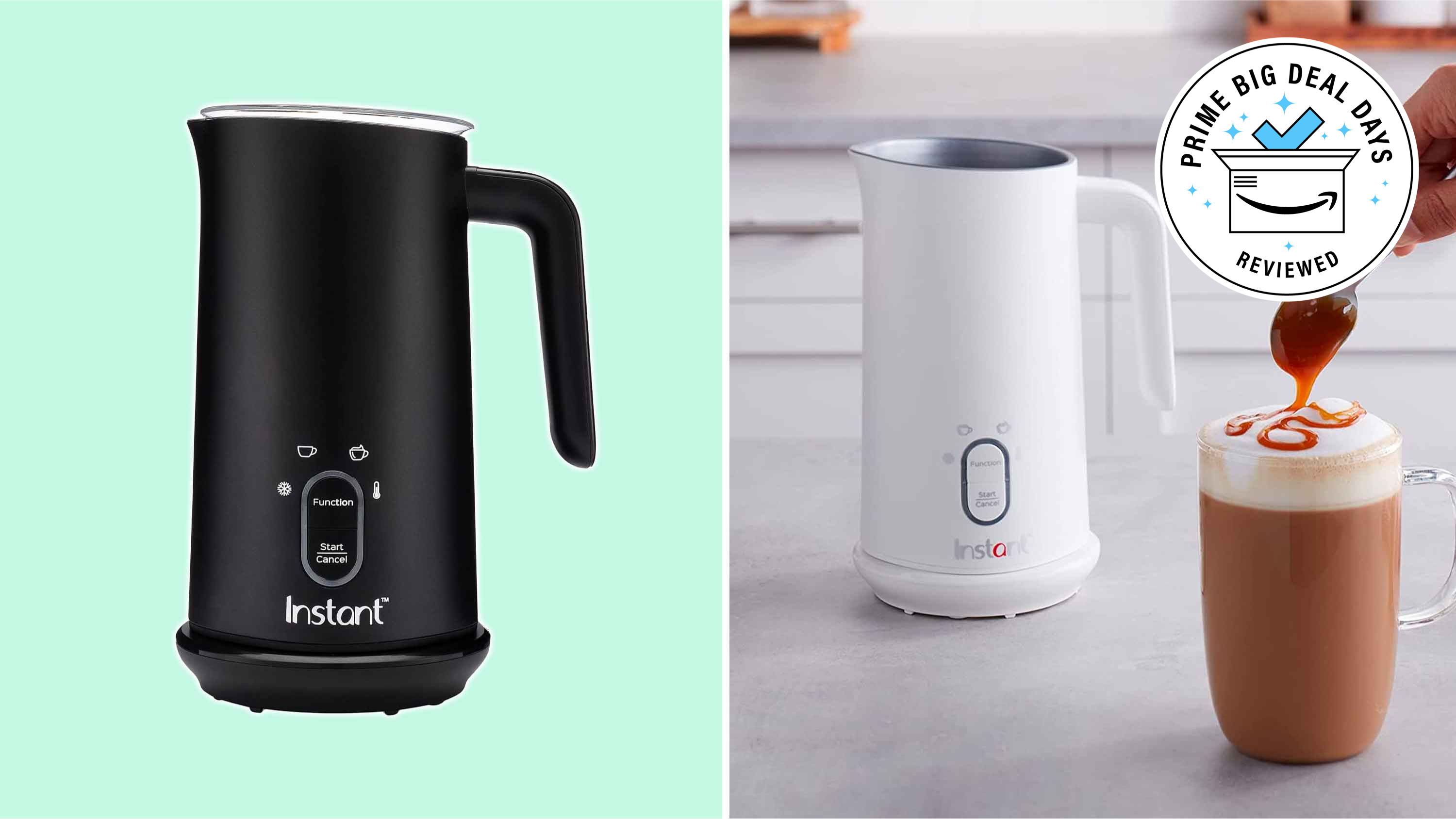
Why consider a stovetop milk frother? For starters, they’re typically more budget-friendly than many electric frothers, making café-quality drinks accessible without breaking the bank. Their robust, often stainless steel construction ensures durability, promising years of frothing joy. Plus, with no electricity needed, these compact wonders are perfect for camping trips, travel, or simply saving precious countertop space. It’s about embracing the craft, taking control, and enjoying the process as much as the perfect sip.
Understanding the Types of Stovetop Milk Frothers
The world of stovetop milk frothers isn’t a one-size-fits-all affair. Primarily, you’ll encounter two main types, each offering a distinct frothing experience:
Plunger-Style Frothers: The Manual Marvels
These frothers bear a striking resemblance to a French press, and their operation is quite similar. You pour milk into a pitcher, heat it directly on the stove (or separately), and then use a mesh plunger to manually pump air into the milk. This vigorous up-and-down motion rapidly creates foam.
- How they work: As you pump, the fine mesh screen of the plunger forces air into the warm milk, breaking down large bubbles into a consistent, creamy foam. Think of it as a mini workout for your arm, yielding satisfying results.
- Key features: Plunger-style stovetop milk frothers are often made from stainless steel or aluminum, sometimes featuring non-stick interiors for easy cleaning. They come in various capacities, from single servings to jugs capable of frothing enough milk for the whole family.
Stovetop Steam Wands: Emulating the Barista Experience
For those who dream of latte art and silky microfoam, stovetop steam wands are a game-changer. Models like the Bellman Stovetop Steamer 50SS mimic the functionality of an espresso machine’s steam wand, but they harness the heat of your stove to build pressure.
- How they work: Water placed in a sealed chamber is heated on the stovetop, generating steam pressure. This pressure is then released through a specialized wand directly into your milk, simultaneously heating and aerating it to create a fine, velvety microfoam.
- Key features: These devices are usually made from durable 18/8 stainless steel, built to withstand high temperatures. They provide superior control, allowing you to create the kind of smooth, sweet microfoam that’s ideal for elaborate latte art. The trade-off is often a longer preparation time as pressure builds.
How to Use Your Stovetop Milk Frother for Perfect Foam
Achieving that perfect foam takes a little know-how, but it’s incredibly rewarding. Let’s break down the process for both main types of stovetop milk frothers.
Preparation: The Foundation of Froth
Before you begin, choose your milk wisely. Whole milk generally yields the richest, most stable foam due to its fat content. However, many plant-based alternatives like oat and almond milk can also be frothed successfully, especially those marketed as “barista blends.” For plunger-style frothers, fill your pitcher no more than halfway to allow ample room for the milk to expand as it froths.
Step-by-Step Guide: Plunger-Style Stovetop Frothers
- Heat the Milk: Pour your chosen milk into the frother. Place it on your stovetop over medium-low heat. Gently stir to prevent scorching, aiming for a temperature between 150-160°F (65-70°C). Some models allow you to heat the milk separately in a microwave or saucepan before transferring it.
- Pump it Up: Once the milk reaches the ideal temperature, remove the frother from the heat (if applicable). Secure the lid and ensure the plunger is properly aligned.
- Froth Vigorously: Begin pumping the plunger with quick, steady, vertical movements. Continue for about 30-60 seconds, or until the milk has roughly doubled in volume and achieved your desired frothy consistency.
- Refine the Foam: Gently tap the frother against your countertop a few times to burst any large air bubbles. Then, swirl the frothed milk gently to integrate the foam and achieve a smooth, glossy texture.
Step-by-Step Guide: Stovetop Steam Wands (e.g., Bellman 50SS)
- Fill and Seal: Fill the water reservoir with water and securely fasten the lid, ensuring the steam tap is closed.
- Build Pressure: Place the frother on your stovetop over medium-high heat. Keep the steam tap ever so slightly open. You’re looking for a steady stream of dry steam to escape, which indicates sufficient pressure. This can take a few minutes. Once you see it, close the tap for another 30-60 seconds to allow maximum pressure to build.
- Purge the Wand: Before steaming, briefly open the steam tap to release any condensed water. This ensures you introduce only dry steam into your milk.
- Position and Steam: Pour cold milk into a separate frothing pitcher. Submerge the tip of the steam wand just below the surface of the milk, near the side of the pitcher, to create a swirling “whirlpool” effect.
- Froth and Heat: Fully open the steam tap. Lower the pitcher slightly to incorporate air (the “stretching” phase, where the volume increases) and then raise it to further heat and smooth the milk (the “texturing” or “rolling” phase). Aim for a final milk temperature of 140-150°F (60-65°C).
- Finish Strong: Once the desired texture and temperature are reached, turn off the steam tap. Tap the pitcher firmly on the counter to eliminate large bubbles and swirl the milk to achieve a homogeneous, silky microfoam. Immediately wipe the steam wand clean with a damp cloth and purge it again.
Techniques for Crafting the Perfect Milk Froth
Achieving perfect froth isn’t just about the tool; it’s about technique.
- Temperature is Key: Regardless of the frother type, maintaining the correct milk temperature is crucial. Too cold, and it won’t foam properly; too hot (above 160°F or 70°C), and it can scald, losing its sweetness and developing an unpleasant cooked taste.
- The “Stretch and Roll” (Steam Wands): This barista technique is vital for microfoam. First, introduce air (stretch) by keeping the wand tip just below the surface. Then, submerge the tip deeper to create a rolling motion (integrate or “roll” the air), refining the texture and heating the milk evenly.
- Eliminating Big Bubbles: After frothing, a firm tap of your pitcher or frother on the countertop helps burst any lingering large air bubbles, leaving you with a smooth, consistent foam. Swirling immediately after tapping further integrates the foam, creating that desirable glossy “wet paint” consistency.
- Consistency Control: For a cappuccino, you generally want a thicker, airier foam. For a latte or flat white, aim for a thinner, silkier microfoam that blends seamlessly with the coffee. Your stovetop frother can deliver both with practice.
Choosing Your Ideal Stovetop Milk Frother: A Buying Guide
Ready to dive in? Here’s what to look for when selecting your perfect stovetop milk frother:
- Capacity Considerations: How many drinks do you typically make at once? Stovetop frothers range from single-serving sizes to models that can froth enough milk for several cups. Consider your daily needs.
- Material Matters: Most stovetop frothers are made from stainless steel or aluminum. Stainless steel is highly durable, rust-resistant, and often dishwasher-safe. Aluminum models are lightweight but may require hand washing. Some interiors feature non-stick coatings for easier cleaning.
- Handle Design and Safety: A heat-resistant, ergonomic handle is essential for safe handling, especially when dealing with hot milk and steam. Look for robust construction that feels secure in your grip.
- Ease of Cleaning: Since you’ll be using it daily, an easy-to-clean frother is a must. Dishwasher-safe components are a huge plus for convenience. For steam wands, regular wiping and purging are key to preventing milk residue buildup.
- Budget vs. Features: Stovetop frothers are generally more affordable than their electric counterparts. Decide what features are most important to you – whether it’s the simplicity of a plunger or the advanced microfoam capabilities of a steam wand – and find a model that fits your budget without compromising on quality.
Maintaining and Cleaning Your Stovetop Milk Frother
Proper care ensures your stovetop milk frother remains a dependable companion for years to come.
- Immediate Action is Best: The golden rule is to clean your frother immediately after each use. Milk residue can quickly dry and become difficult to remove, creating a breeding ground for bacteria.
- Plunger-Style Cleaning: For plunger-style frothers, disassemble the lid and plunger. Wash all components with warm, soapy water. Many stainless steel models are dishwasher safe, but always check the manufacturer’s instructions. A small brush can be helpful for cleaning the mesh screen.
- Steam Wand Cleaning: For stovetop steam wands, immediately wipe the wand with a damp cloth after use to remove any milk film. Crucially, “purge” the wand by briefly opening the steam valve to clear any internal milk deposits. Once cooled, the main unit can be washed with soap and water, typically by hand.
Stovetop Milk Frother vs. Electric & Handheld: A Quick Comparison
When should a stovetop milk frother be your go-to?
- Stovetop vs. Electric: Choose a stovetop frother if you value portability, enjoy a more hands-on approach, or have limited counter space. They offer excellent control over foam texture, especially the steam wand types that can produce barista-level microfoam. Electric frothers are all about convenience and consistent results with the touch of a button, often heating and frothing automatically.
- Stovetop vs. Handheld: Stovetop frothers typically heat the milk as they froth (or allow for direct heating), provide greater volume, and offer more consistent foam than a simple battery-operated handheld whisk. Handheld whisks are great for quick frothing of small amounts of already-heated milk or for cold foam.
Expert Insight: “The Charm of Manual Craftsmanship”
“There’s something uniquely satisfying about a stovetop milk frother,” shares Eliza Chen, a seasoned barista and coffee consultant. “It connects you more deeply to the craft. The tactile sensation of pumping the plunger, or the gentle hiss of steam as you create microfoam – it’s a ritual. Plus, many of these durable units produce foam that truly rivals what you’d find in a high-end cafe, without the hefty price tag of an espresso machine. It’s a testament to good design and the power of simple mechanics.”
Frequently Asked Questions (FAQ)
Can you use any milk in a stovetop frother?
Yes, you can use most types of milk, including dairy (whole, 2%, skim) and many plant-based alternatives like oat, almond, and soy milk. Whole milk typically yields the richest, most stable foam.
Do stovetop frothers heat milk?
Many plunger-style stovetop milk frothers are designed to be placed directly on the stove to heat the milk while frothing. Stovetop steam wands also heat and froth simultaneously by generating steam.
How long does it take to froth milk on the stove?
For plunger-style frothers, it typically takes 30-60 seconds of vigorous pumping after the milk is heated. For stovetop steam wands, it can take a few minutes for pressure to build, plus another 30-60 seconds for steaming.
Is microfoam possible with a stovetop frother?
Absolutely! Stovetop steam wands, in particular, are excellent at producing silky, dense microfoam suitable for latte art, similar to what you’d get from an espresso machine. Plunger-style frothers can also create a fine, creamy foam with good technique.
Are stovetop milk frothers safe to use?
Yes, when used correctly. Always follow the manufacturer’s instructions, especially regarding fill levels and heat settings. For steam wand models, be mindful of pressure buildup and hot steam. Ensure handles are heat-resistant.
How often should I clean my stovetop frother?
You should clean your stovetop milk frother immediately after every single use to prevent milk residue from drying and to maintain hygiene.
What’s the best temperature for frothed milk?
The ideal temperature for frothed milk is between 140-160°F (60-70°C). Heating beyond this can scald the milk, affecting its taste and texture.
Conclusion
Embracing a stovetop milk frother is more than just buying another kitchen gadget; it’s investing in a daily ritual of deliciousness. From the satisfying mechanics of a plunger to the artful microfoam of a steam wand, these non-electric wonders offer unparalleled control, portability, and value. They bridge the gap between home brewing and café-quality drinks, empowering you to craft perfect lattes, cappuccinos, and hot chocolates with ease. So go ahead, experiment with different milks and techniques, find your favorite stovetop milk frother, and unlock a world of velvety, foamy goodness right in your kitchen. Your taste buds will thank you!